Travel demand to Britain continues to rise in 2026, supported by strong air connectivity through British Airways (BA) and other carriers linking major gateways such as London Heathrow Airport (LHR) with global markets.
The UK’s tourism landscape this year reflects a blend of cultural milestones, infrastructure upgrades, and renewed interest in regional destinations beyond traditional city breaks.
Best Places to Visit in the UK
From England and Wales to Scotland and Northern Ireland, several locations are gaining momentum due to new attractions, major anniversaries, and improved transport links. These developments are shaping travel patterns for visitors planning leisure trips across the UK in 2026.

Best Places in Northern England
North Yorkshire stands out in 2026 due to a combination of cultural exposure and outdoor investment. The region is benefiting from renewed attention driven by film productions and the formal designation of the Coast to Coast Path as a National Trail.
The 192-mile route links Cumbria with the North York Moors, offering long-distance walkers improved signage, accommodation options, and visitor services. Dark-sky tourism is also expanding, with new stargazing facilities opening inside protected landscapes.
Scarborough adds to the appeal by marking 400 years since its recognition as a spa town. The anniversary program includes public events, heritage trails, and new public art, strengthening the town’s profile as a classic yet evolving seaside destination.
Further west, historic market towns such as Corsham are attracting visitors seeking quieter alternatives to the Cotswolds. New boutique hospitality projects and upgraded dining options are positioning these towns as short-stay bases for exploring the surrounding countryside.

Celtic Coast’s Most Awesome Destinations
Northern Ireland features prominently in 2026, led by County Antrim’s coastal regeneration. The reopening of the Gobbins Cliff Path restores one of the region’s most dramatic walking experiences, supported by new visitor facilities and accessibility-focused upgrades.
The wider Causeway Coastal Route continues to draw self-drive travelers, particularly as the Giant’s Causeway marks four decades as a UNESCO-listed site, reported CN Traveler.
Cultural tourism also receives a boost with major music festivals and screen productions filmed across Antrim and nearby areas.
In Scotland, the island of Islay enters a new phase of growth driven by whisky tourism. The opening of additional distilleries and high-end accommodation strengthens Islay’s appeal for premium leisure travelers seeking experiential trips rather than traditional sightseeing.
These coastal regions benefit from improving regional air and ferry connections, supporting multi-stop itineraries that combine nature, heritage, and food tourism across the UK’s western edge.

Urban Culture Centers in the UK
Cardiff is emerging as a leading urban destination in Wales in 2026, supported by cultural investment and transport upgrades. New museum openings, expanded metro services, and major station redevelopment are reshaping visitor access and dwell time.
London’s Bloomsbury district is also seeing renewed interest, driven by hotel openings, large-scale exhibitions, and academic-led cultural programming. The area’s focus on walkability and public space improvements aligns with changing traveler preferences toward slower, neighborhood-based exploration.
In southern England, Sherborne is gaining recognition for its arts-led revival. New galleries, creative workshops, and independent food venues are transforming the historic town into a cultural hub without the congestion seen in more established destinations.
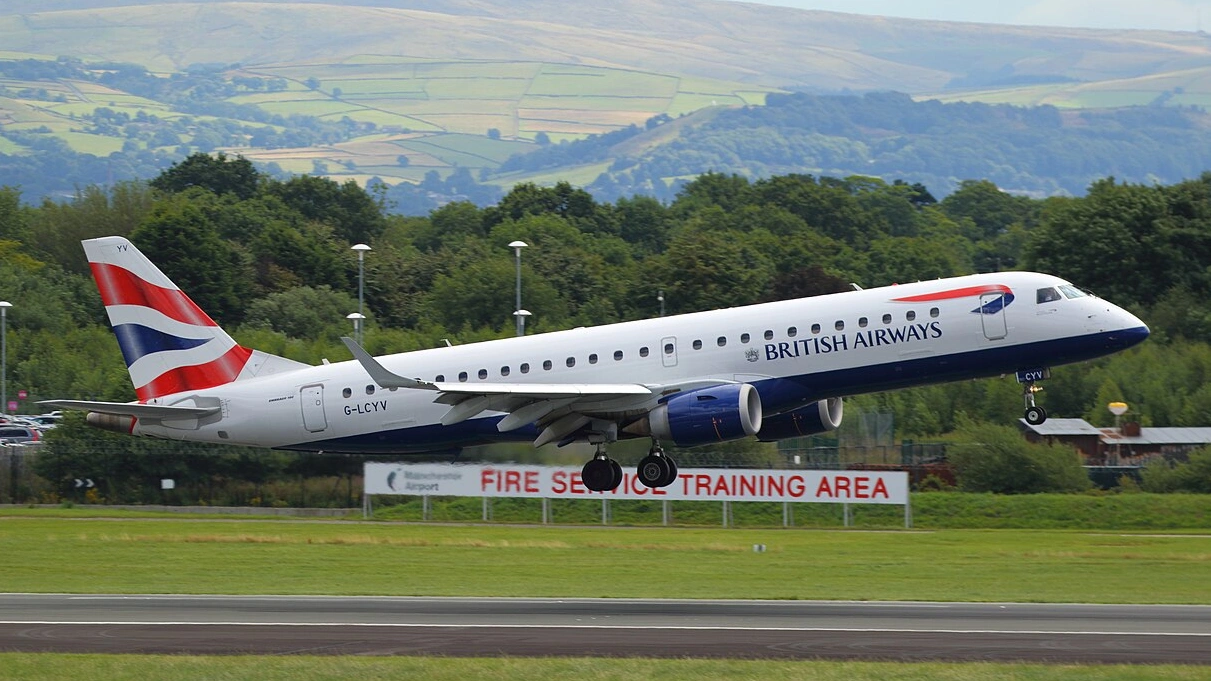
https://commons.wikimedia.org/wiki/File:G-LCYV_British_Airways_Embraer_E190_(36256226741).jpg
Transport And Access Help Grow Tourism
Improved transport access is playing a key role in shaping UK travel demand in 2026. Ongoing airport capacity optimization at London Heathrow Airport (LHR), Manchester Airport (MAN), and Edinburgh Airport (EDI) is supporting higher international arrivals while reducing seasonal congestion.
Domestic rail upgrades are also influencing destination choice, particularly in Wales and northern England. Metro expansions around Cardiff and enhanced regional rail links in Yorkshire are shortening travel times and making secondary cities more viable for short breaks.
Road infrastructure improvements along key tourism corridors, including the Causeway Coastal Route and rural England links, are further supporting self-drive itineraries. Together, these developments are helping distribute visitor flows more evenly across the UK while improving overall travel efficiency.
Bottom Line
Together, these cities and towns reflect a broader shift in UK travel for 2026. Visitors are prioritizing destinations that combine strong transport links, cultural depth, and authentic local experiences over high-volume tourism centers.
Stay tuned with us. Further, follow us on social media for the latest updates.
Join us on Telegram Group for the Latest Aviation Updates. Subsequently, follow us on Google News