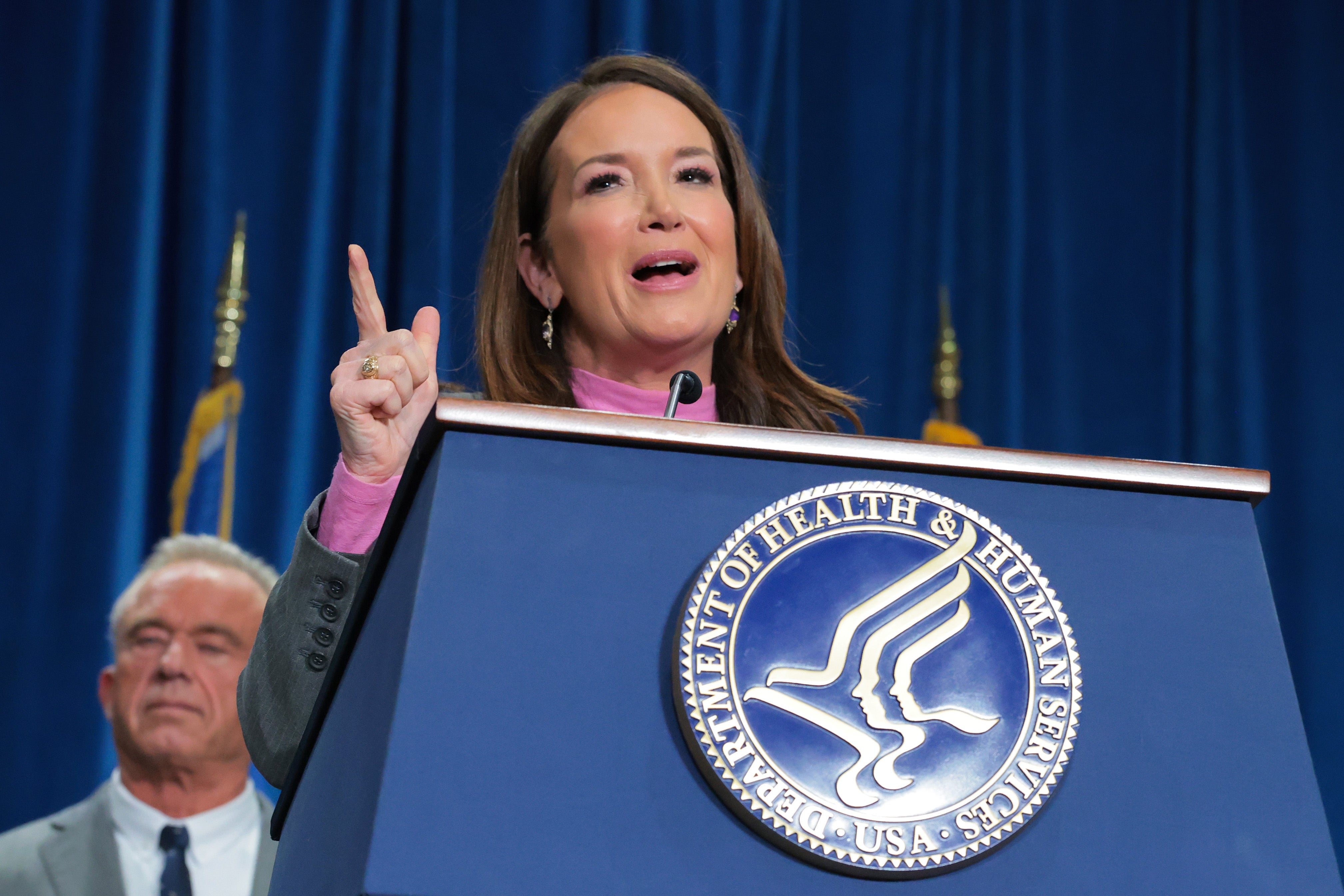
Agriculture Secretary Brooke Rollins has been mocked online over a “depression meal” she suggested for Americans after the Trump administration turned the food pyramid upside down.
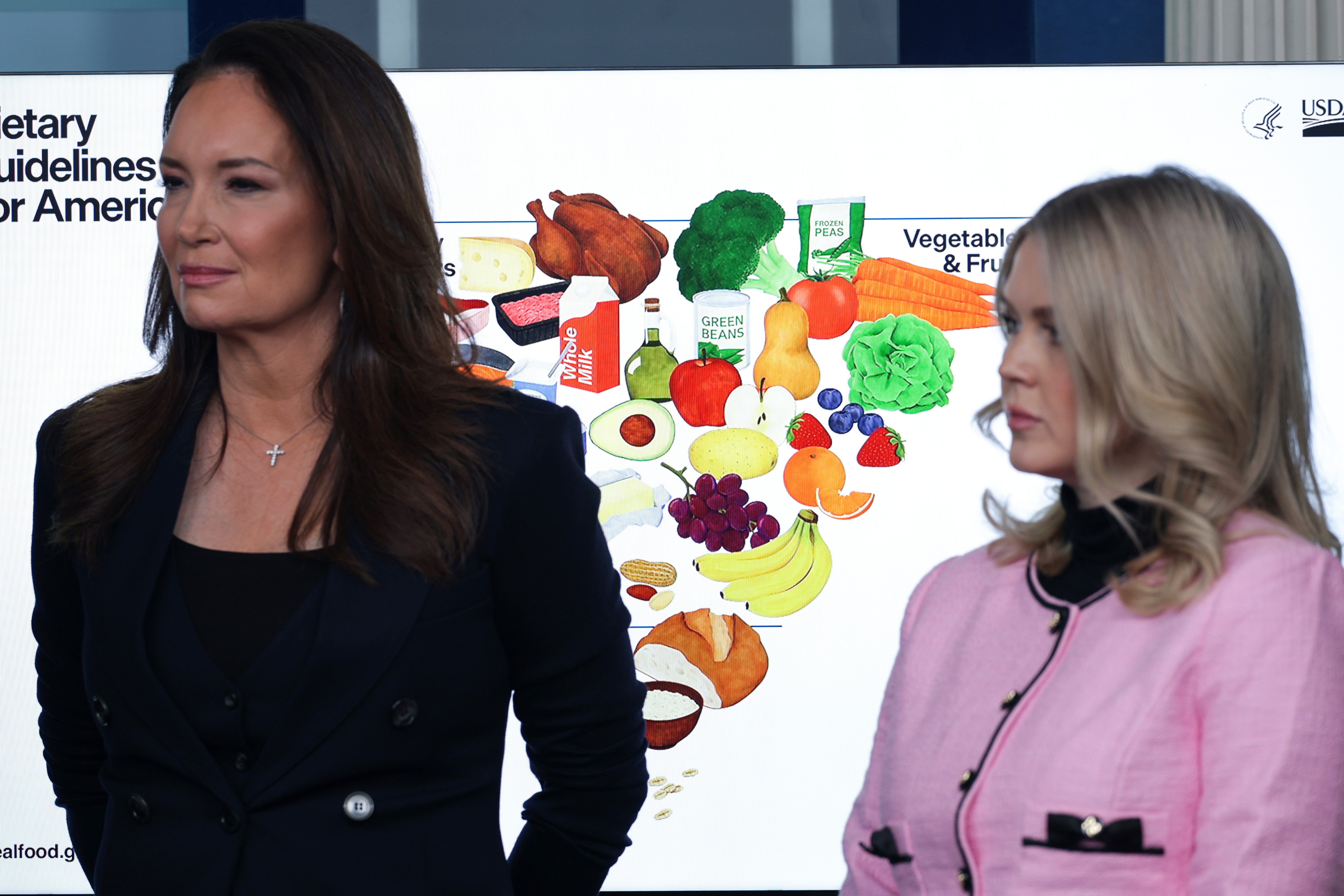
The Department of Agriculture recently released new dietary guidelines, suggesting Americans eat more protein, dairy and healthy fats and less whole grains. Rollins and Health and Human Services Secretary Robert F. Kennedy Jr., who previously said he was on a so-called carnivore diet, told Americans when rolling out the guidelines to “eat real food.”
In a TV appearance on Wednesday, Rollins suggested an affordable, albeit lackluster, meal Americans can make that sticks to the new guidelines.
“We’ve run over 1,000 simulations. It can cost around $3 a meal for a piece of chicken, a piece of broccoli, corn tortilla and one other thing. And so, there is a way to do this that actually will save the average American consumer money,” Rollins told News Nation.
A clip of Rollins’ comments was shared online, and social media users were quick to poke fun at the out-of-touch dining suggestion.
“Private jets and tax breaks for them and their rich friends, and one piece of broccoli *AND* a tortilla for you!” Chasten Glezman Buttigieg, the husband of former Transportation Secretary Pete Buttigieg, wrote on X.
Marlow Stern, who teaches at the Columbia Journalism School, posted, “‘You should eat prison meals’ prob not the best message.”
“One whole tortilla?!” Democratic strategist Jennifer Holdsworth sarcastically said.
Fred Wellman, podcast host and Democratic Congressional candidate, wrote, “They hate so much of America. They just hate them.”
“Are they doing Monte Carlo simulations to create the most affordable r/depressionmeal,” Tyson Brody, who identifies as an opposition researcher, posted.
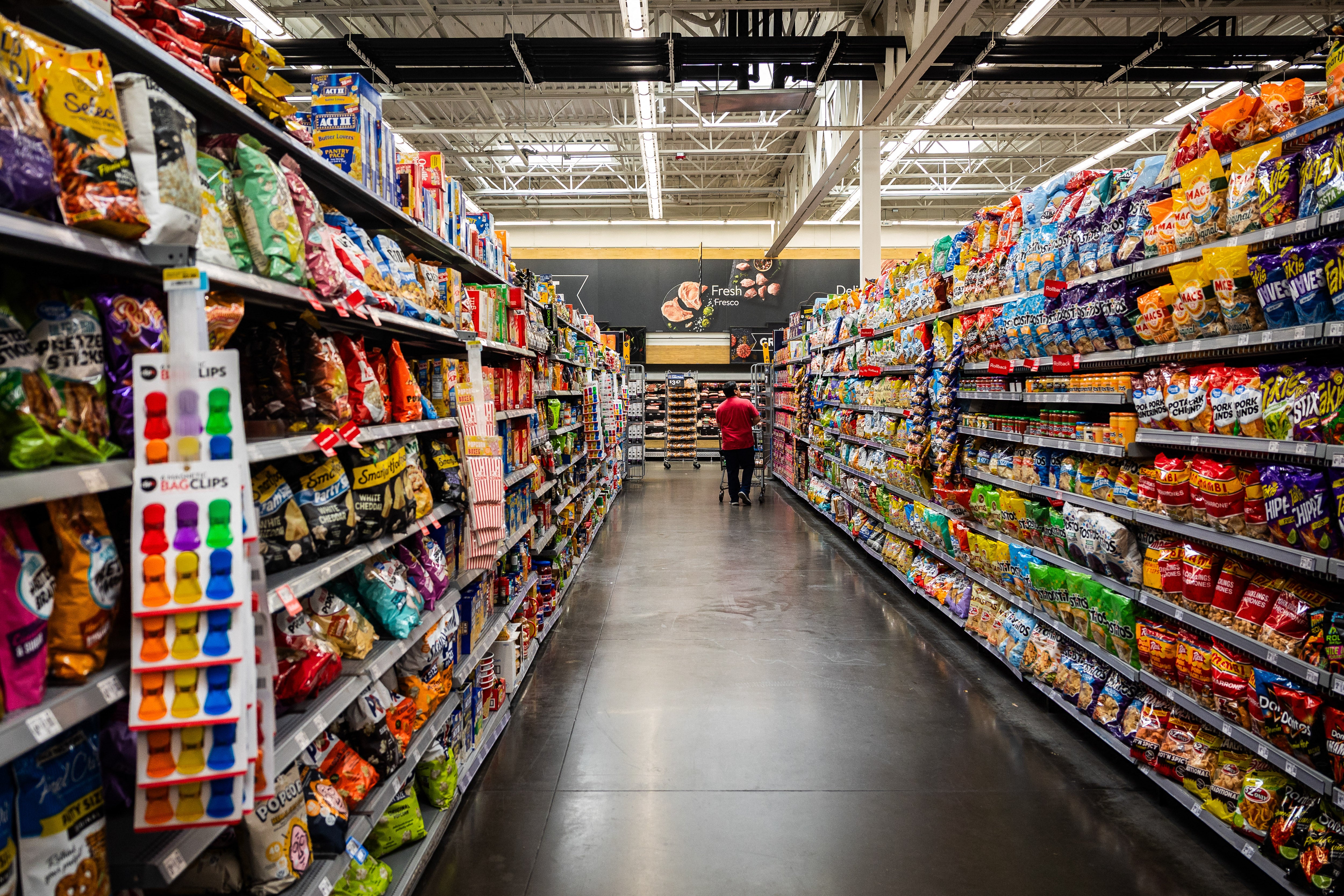
While inflation held steady in December at 2.7 percent, grocery prices remained high, according to the Bureau of Labor Statistics Consumer Price Index. Uncooked ground beef was up 15.5 percent, and frozen fish and seafood increased 8.6 percent year-on-year.
Health experts Lauren Ball and Emily Burch weighed in on the new dietary guidelines’ lack of attention to socio-economic issues when it comes to food.
“Access to affordable, healthy food remains limited across the US, especially for people in low-income communities, rural areas, or those working long and unpredictable hours,” the two wrote for The Independent. “People choose food based on whether it’s affordable, accessible and culturally relevant – but the guidelines overlooked these structural drivers.”