The world has long measured power by the roar of tanks and the flash of missiles. But what if real influence today takes a different form – a quietly signed contract, an overlooked port terminal, or a piece of technology without which the lights won’t turn on tomorrow? While some states debate morality, sanctions, and “red lines,” others methodically reshape the global landscape – without ultimatums or fanfare.
News.Az spoke with Jakub Korejba, a Polish political scientist specializing in the Middle and Far East, to explore why the 21st century is increasingly less an arena of wars and more a chessboard of long-term strategies. Korejba approaches global politics without illusions or romanticism, analyzing developments with the cold precision of an expert.
– Jakub, why does China focus not on loud military gestures but on infrastructure, finance, and technology, and is this not a more effective form of global dominance than traditional force?
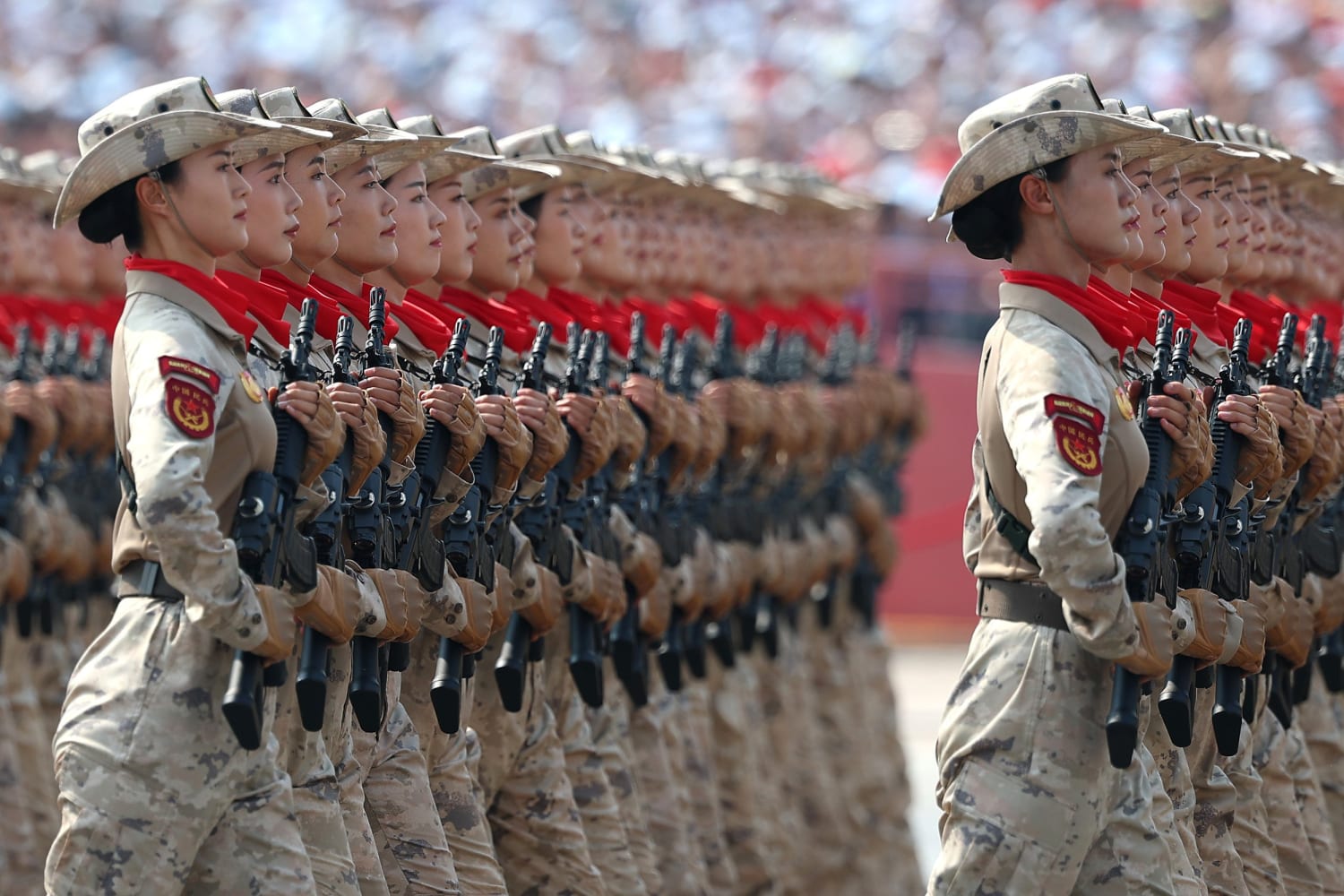
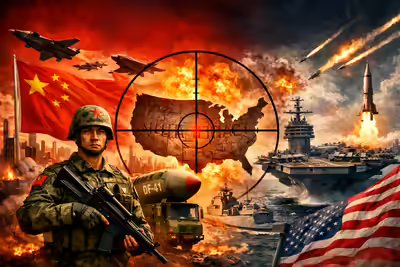
Source: nbcnews
– This question has two dimensions – practical and ethical. The practical dimension is that the Chinese army essentially has no combat experience outside its own territory. The only episode – participation in the Korean War in the early 1950s – cannot be considered an independent success for Beijing: without Soviet command, equipment, and support, that experience would have been impossible. The second attempt – the war with Vietnam in 1979 – ended in a serious defeat for China. The Chinese army lost to a country devastated by war, poor, and incomparably smaller in resources and scale.
Since then, the Chinese army has not conducted combat operations outside national territory. And this is not only due to the absence of proven combat effectiveness. It is a direct consequence of the doctrine and philosophy on which the Chinese understanding of power is built.
If we take, for example, the Russian military tradition, the army is considered most effective when its very potential intimidates and forces partners or opponents to act in a certain way, or to refrain from action. This principle, as practice has shown, was misinterpreted by Vladimir Putin four years ago, which led to well-known consequences – for the army, for the state, and for the Russian leadership itself.
China thinks differently. For it, the army is an instrument of politics, subordinate to the party and the state. Its task is not to fight, but to achieve goals without war, forcing others to make decisions favorable to China even before a conflict begins.
– And what is the ethical dimension?
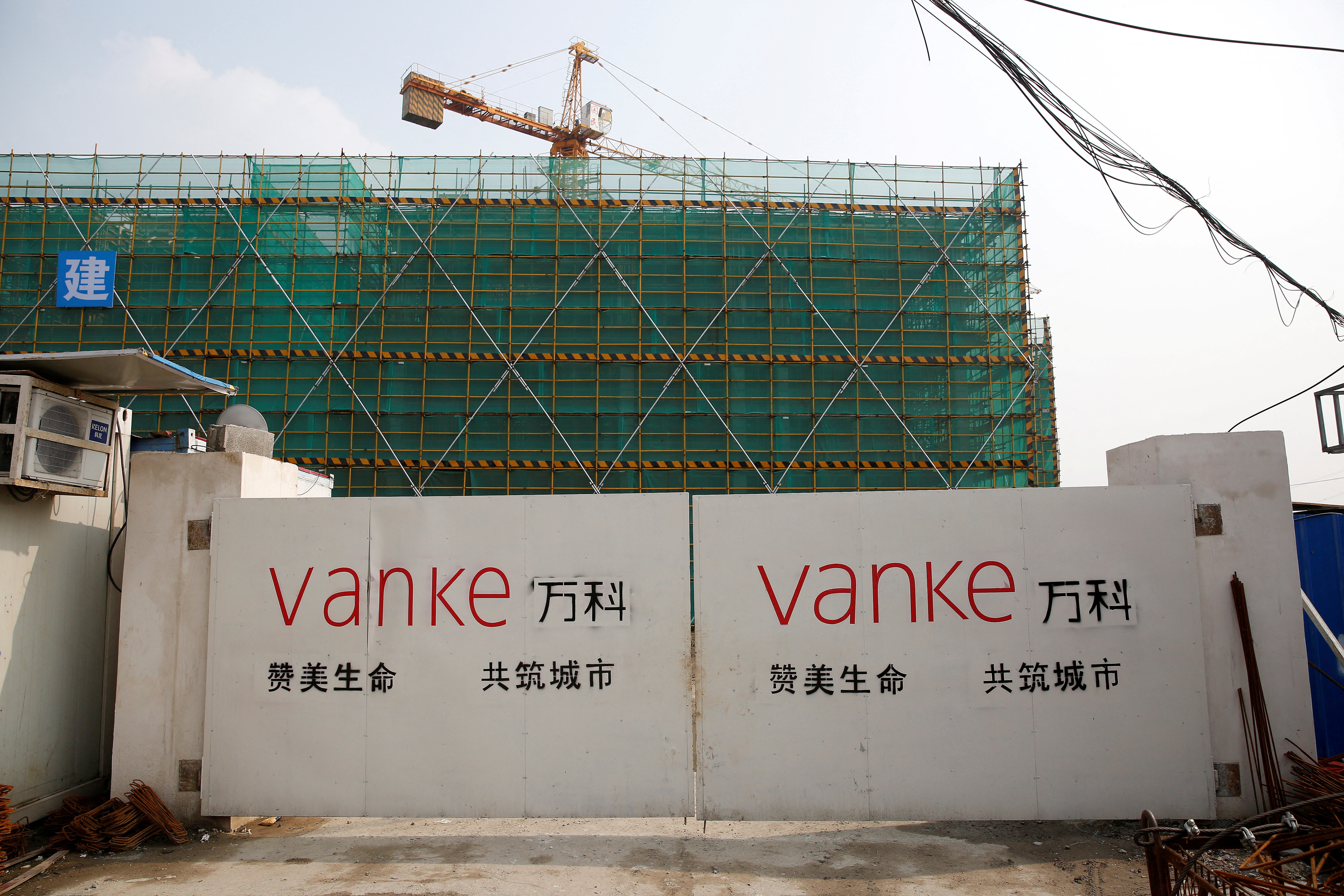
Source: Reuters
– Chinese logic is based on a simple but fundamental premise: destruction is bad. The destruction of people, homes, infrastructure, fields is evil. Creation, construction, and development are good. From an ethical point of view, it is far more correct to create than to destroy. There is nothing exotic in this approach – on the contrary, any psychologically and morally healthy person is inclined to agree with it.
Thus, the Chinese understanding of power fundamentally differs from what in the Western, conventionally “chivalric” tradition is called classical force. From China’s perspective, power is not the ability to force someone to submit, not an invasion of Iraq or Afghanistan followed by the destruction of the country, a change of regime, and an illusion of victory.
China thinks differently. It believes that the world itself should come to recognize Chinese leadership. This happens when, in the everyday life of other countries, Chinese components are present everywhere: technologies, goods, infrastructure, cars, roads, bridges. When people drive on Chinese highways, use Chinese equipment, live in a system where “Chinese” has become the norm, recognition comes by itself. Without tanks and bombs.
This approach radically differs from the logic of forceful domination familiar to us. And it has a key advantage: the cost of war is completely excluded from the calculation. We see how expensive wars are even for the largest powers. China consciously refuses to pay this price, and does not want others to pay it on their own territory. It builds leadership differently: through the economy, infrastructure, technology, and long-term strategy. And this is the main source of China’s strength.
– Can China’s strategy be seen as one of exhausting the West, where the opponent drains itself with sanctions, conflicts, and ideological battles, while Beijing simply waits and counts profits?
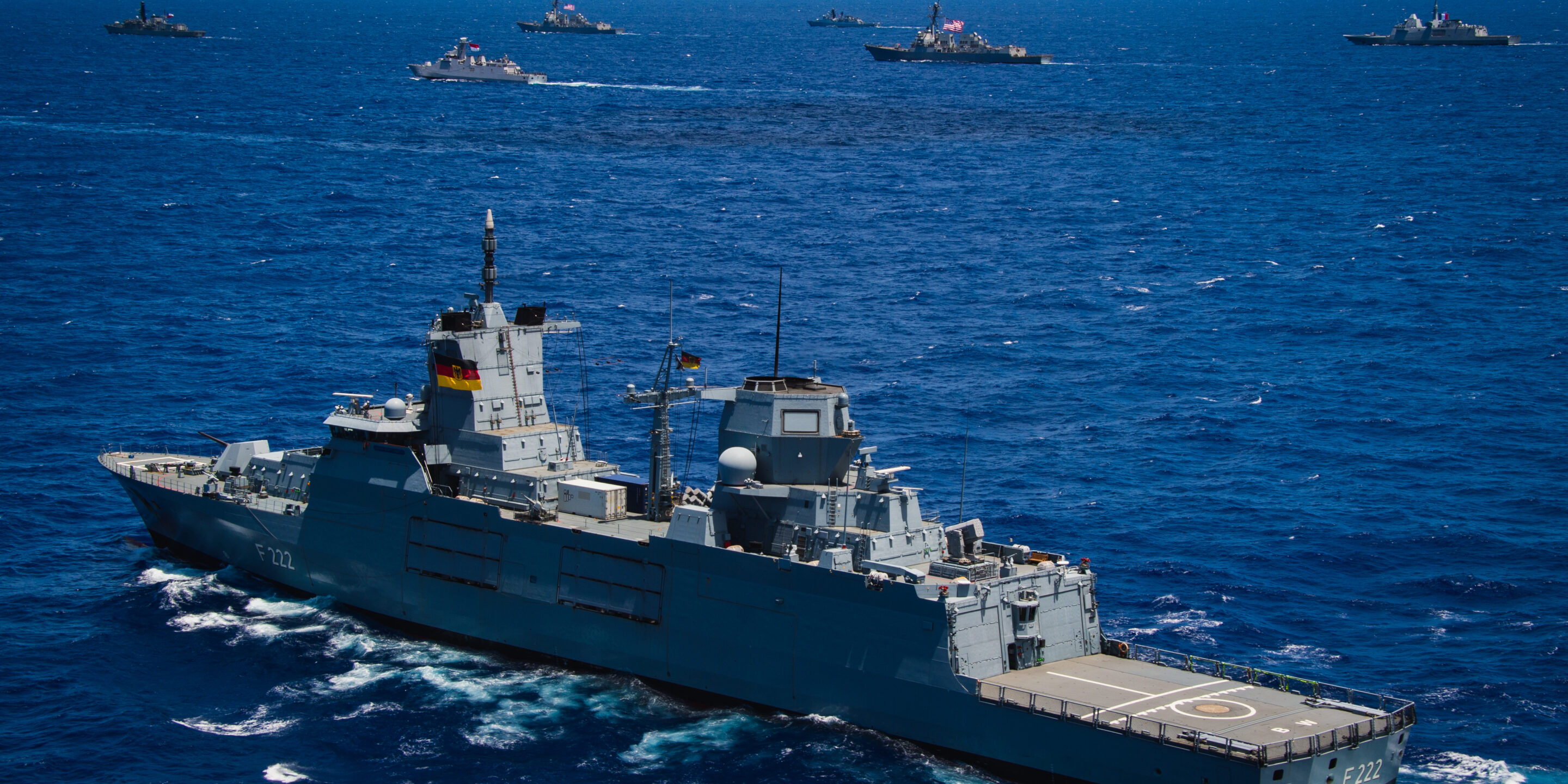
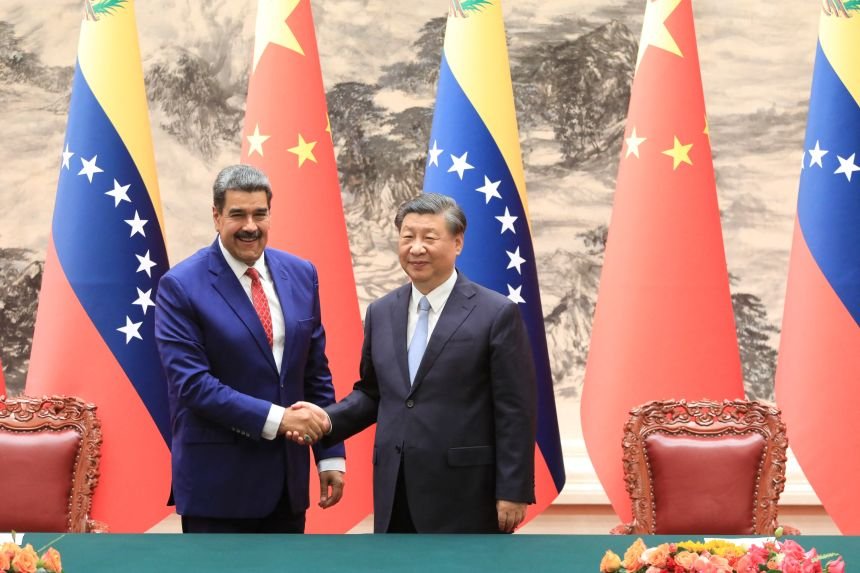
Source: TASS
– Yes, this is indeed a classic Chinese approach, formulated as far back as Sun Tzu: the best outcome is when the enemy destroys itself. This principle exists not only in military theory, but also in Chinese sports and martial practices. The essence is simple: do not attack directly, but arrange circumstances so that the opponent, resisting them, drives itself into a dead end.
If you like, European languages, including Russian, have a similar image: “eating one’s own tail.” This is essentially what is happening today. Thirty or forty years ago, China created a certain system of factors for the West and patiently observes how it step by step undermines itself – in the economy, finance, demography, strategy, and the military sphere.
In the Western historical-philosophical tradition, war is conceived as an act of decisive superiority: defeat, crush, occupy a city, raise a flag, put a foot on the enemy’s neck. This is the logic of final destruction. Chinese thinking is structured differently. At its core is the idea of yin and yang: opposing principles are natural, inevitable, and never disappear completely.
– So there is no final victory of one principle over another?
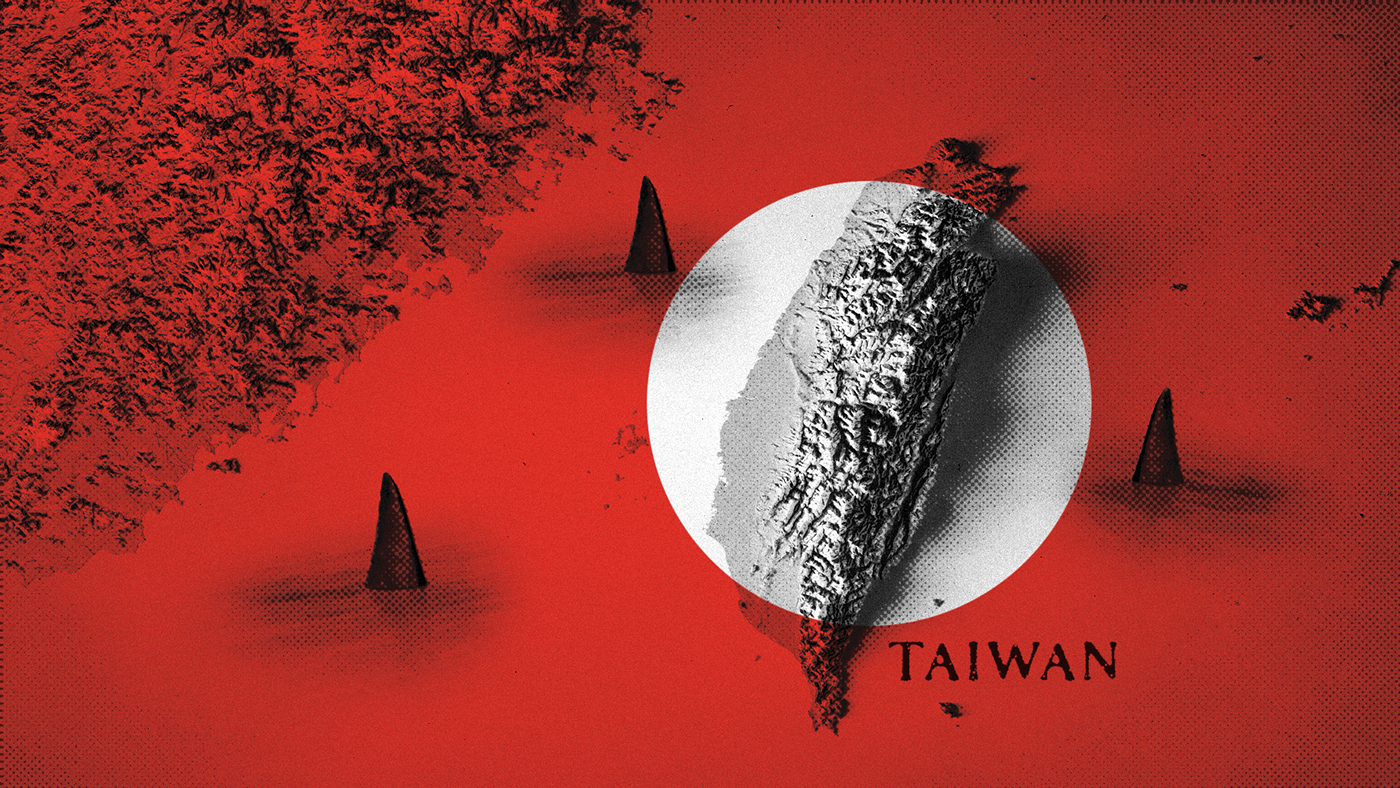
Source: Reuters
– Thesis and antithesis coexist within synthesis – this understanding once existed in the West as well, but for various reasons was lost. Among the Chinese, it has been preserved. Therefore, they have no goal of destroying the opponent. Their goal is to dominate them. Moreover, in Chinese logic, the very concept of an “enemy” in the Western, existential sense is practically absent.
That is why China does not seek to seize Taiwan by force, although technically it has such a capability. A military solution there is perceived as primitive and barbaric. A killed opponent is useless: he cannot recognize your superiority. And China’s key goal is not simply victory, but recognition. Recognition of it as the number one power.
If China were to choose the path of forceful seizure of Taiwan, it would find itself in a position similar to that in which Russia finds itself in Ukraine today: having to declare a victory that a few years ago would have been considered an obvious defeat. No one starts a war for “partial success” or symbolic results – that is not a strategy, it is self-deception.
Chinese strategists think differently. They avoid meaningless wars, sanctions traps, and open conflicts. Their method is movement in small steps. What James Clear would call “atomic habits”: tiny, almost imperceptible actions that over time add up to a colossal structure. China thinks in 50-year horizons. And the fact remains: over the past half-century, a country once poor, devastated, and humiliated by colonial powers has become the number two power in the world. To deny the effectiveness of this strategy is simply to close one’s eyes to reality.
– What role does control over critical chains – from rare earth metals to logistics, ports, and digital platforms – play in China’s “quiet victory”?

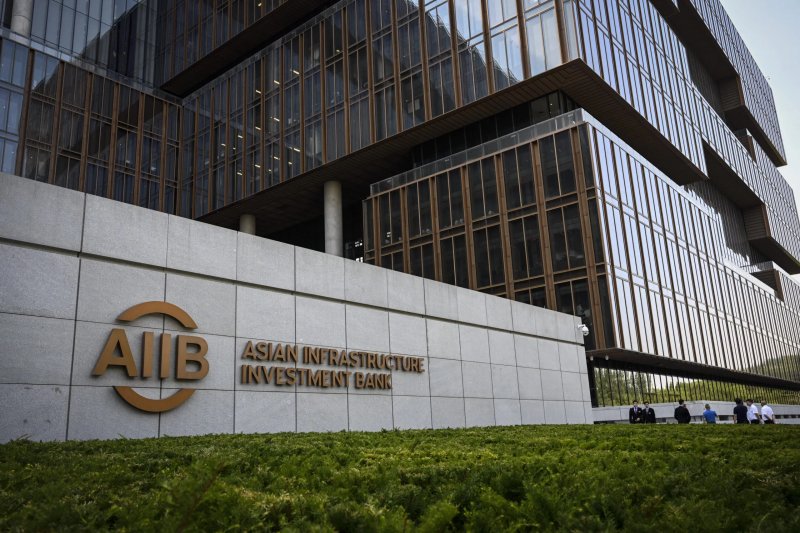
Source: freedomhouse
– Rare earth metals are not actually that rare. They are present almost everywhere. The problem is not geology, but economics. A significant share of their extraction today is concentrated in China simply because at a certain moment the most economically viable conditions for their extraction and processing were created there. If the United States or other Western countries were ready to invest in this sphere, placing strategic interests above short-term profit, they could establish production without imports from China. This is essentially a technical issue.
The same applies to logistics, port infrastructure, and digital platforms: all of this either already exists or can be created almost anywhere in the world. The question is not possibility, but motivation. Who is ready to invest resources, time, and political will into long-term projects?
China is ready. China is motivated. China works and clearly understands why it is doing this. At the same time, a significant part of the Western world – Western Europe and, to a large extent, the United States – is experiencing a crisis of self-identification. More and more often, they do not understand who they are, what they want, and what goals they are pursuing.
There is almost no discussion of long-term strategy. No one seriously proposes, conditionally speaking, to save today for 20 years in order to build something fundamentally new in 20 years – whether technological, industrial, or military-political power. There is also no readiness for collective sacrifices for a strategic result: ideas of joint investments or targeted support of other states to change the global balance are perceived as something impossible.
Tactical thinking dominates in the West. And this is true both for democratic systems like the United States and for formally non-democratic ones like Russia. Everywhere, results are needed “here and now.” This is not strategy – it is reaction.
– What is considered important at all if consumption becomes the highest value?

Source: theprint
– Exactly. At the present moment – whether material, emotional, or informational – no long-term strategy is possible under such conditions. This way of thinking leads precisely to wars like Iraq, Afghanistan, or the current conflict in Ukraine: a quick use of force, a declaration of victory, emotional consumption of propaganda, and then moving on without reflection on real consequences.
China, apparently, has not yet switched to this model of short-term thinking. Therefore, it is capable of implementing long, complex, and costly projects without expecting immediate returns. This is one of the prerequisites of what can be called its “quiet victory.”
China also consciously avoids destroying the existing world order. Destruction is an extremely expensive process: human lives, colossal financial costs, military equipment, reputational losses. Reaching Berlin, taking Kabul or Baghdad – all of this has a measurable price. The Chinese calculated that this price is not justified.
Their approach is closer to the principles of martial arts: it is far more effective to use the opponent’s strength in one’s own interests than to confront it head-on. China does not break the system – it carefully integrates into it, using existing mechanisms and gradually reconfiguring them so that they work to its advantage.
– Has the West noticed this?
– In fact, no. Analytical reports, books, concepts, and strategic assessments have existed for many years. They lie on desks. The problem is not a lack of knowledge, but a lack of will.
Here a subjective, if you like, moral-mental factor comes into play. Western civilization increasingly demonstrates fatigue with itself. It offers almost nothing to the surrounding world or to its own society. This is a state of stagnation and internal decadence.
This feeling is conveyed particularly accurately – albeit in a hyperbolized, literary form – in contemporary Western literature. Everything is taken to absurdity, all vices are deliberately exposed, but behind this grotesque form one can discern the real mental state of the Western individual: loss of meaning, absence of direction, misunderstanding of one’s own future.
China, unlike this, understands who it is and where it is going. And that is why it moves – slowly, consistently, and without unnecessary noise.
– Is the Chinese model of a long game – without moralizing, without exporting ideology, and without public ultimatums – a prototype of future global politics in the 21st century?
Source: squarespace
– The assessment of the Chinese model is, of course, always individual. Each country, each society, and each person has the right to decide independently what is close to them and what is not in the Chinese approach, including to global politics. One thing is obvious: the model of world politics in the 21st century will be neither Chinese, nor American, nor Russian, nor European.
It will be a combination of different approaches, because a unipolar world no longer exists. Different models will coexist, compete, and balance each other. The era of universalism has ended: there will no longer be a single model or a single “correct” path.
The world is entering a phase of competition among multiple development models, and this is, in essence, a positive shift. History shows that the world does not tolerate monopolies – neither in economics, nor in politics, nor in international relations. Any monopoly inevitably raises prices and lowers quality. In the end, it collapses.
The last 30 years of the American monopoly on the world order have naturally come to an end. The United States behaved like a global “Gazprom,” convinced that everything was allowed, that growth would be endless. I clearly remember the statement of Gazprom’s head 15 years ago that the company would be worth one trillion dollars. Where Gazprom is today, we can all see.
Essentially, the United States did the same thing to itself. This is a classic example of imperial overstretch. It took on too much. Pride became the cause of the fall. Retribution inevitably followed. And its name is the People’s Republic of China.
The world is moving toward a system with not one, but several centers of power, several development models, and several versions of the future. And this, ultimately, is good for humanity: countries, societies, and individuals gain the opportunity to choose the model that is closer and more organic to them.
The 21st century will not become a Chinese century – but it will no longer be American or Western either. This is precisely the multi-vector, multipolar world that political scientists talked about for decades and which has finally become reality.