Published on
December 23, 2025
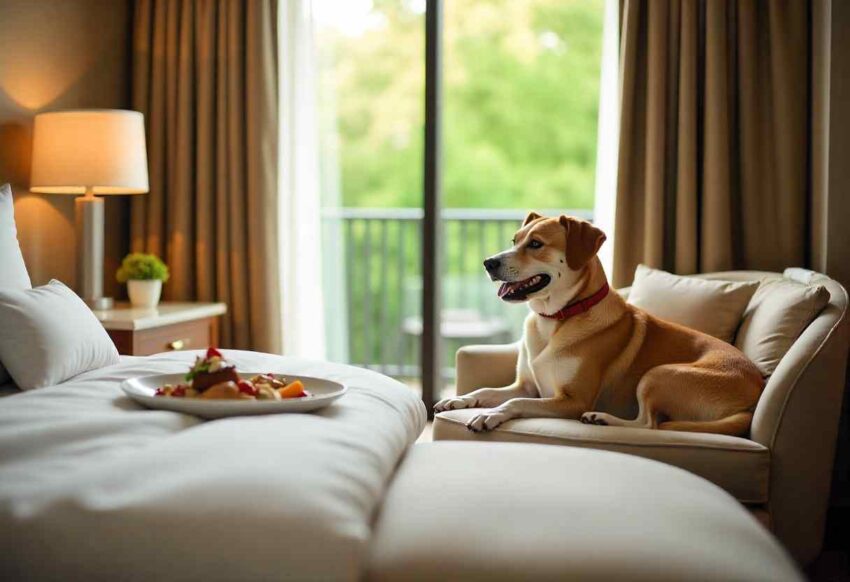
The concept of pet travel has moved far beyond a mere trend; it has blossomed into a full-fledged transformation, now recognized as the “pawprint economy.” This booming sector is rapidly reshaping the tourism and leisure industries, as pets become central to family travel experiences. With luxury services, dedicated amenities, and ever-increasing demand, pet travel is now a core component of the global travel landscape.
The Explosive Growth of the Pet Industry
The pet industry is expected to grow at an impressive rate, reaching US$500 billion (£375 billion) by 2030. A significant portion of this growth is driven by pet travel, which alone is projected to be valued at US$5.9 billion by 2034. In the UK, where 60% of households have pets, including an estimated 13.5 million dogs, this rapidly expanding market is substantial. With pets becoming integral members of the family, the demand for travel services tailored to animals is higher than ever.
Pet Travel: A New Way to Bond and Experience the World
There has been a marked shift in how people travel with their pets. While dogs dominate the leisure travel surge, people are also traveling with horses, cats, birds, and other small animals. For many, the benefits of traveling with pets are undeniable: strengthened bonds, shared experiences, and opportunities to build skills and confidence for both pets and their owners. Traveling with pets not only enhances the experience for the humans involved but also allows animals to explore new environments, increasing their comfort and socialization.
The Growth of Pet Travel
The rise in pet travel has been a long time coming. While pets have accompanied humans on journeys for centuries, the rise of the pawprint economy reflects something distinctly modern: pets are now considered family members. 40% of people view their dog as a child, and nearly half consider them their best friend. This shift in perception has led to a surge in demand for pet-friendly services in various sectors, including the travel industry.
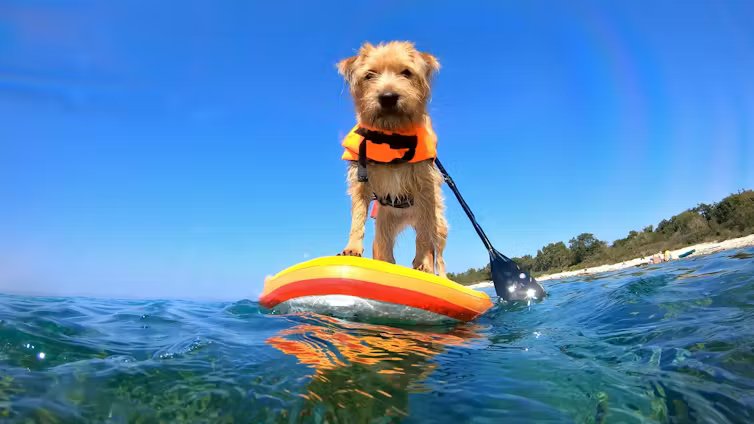
This surge has been further accelerated by the COVID-19 pandemic, which saw a global rise in pet acquisition, with nearly half of pet owners being first-time “pet parents.” The demand for pet-inclusive experiences has skyrocketed as more people seek to include their animals in their post-pandemic leisure and travel activities. From dog-friendly cafes to paddleboarding and outdoor festivals, pets are now commonly part of the modern travel experience.
Cost-of-Living Pressures and the Unyielding Desire for Pet Travel
Despite the growing cost-of-living pressures, which have led 34% of pet owners to adjust their pet-related behavior (for instance, switching to cheaper pet food brands), the demand for pet travel has remained largely unaffected. Pet families in the UK continue to take an average of two domestic holidays with their pets each year. This shows that, despite financial constraints, pet travel continues to thrive, with pet owners still seeking ways to include their animals in their travel plans. This demonstrates the deep emotional bond between pets and their owners and highlights the growing need for pet-friendly travel options.
The Disconnect: What the Industry Offers vs. What Pet Owners Need
Despite the growing popularity of luxury pet services, such as pampering packages, dog-friendly menus with roast dinners, and even £6,000 animal-friendly charter flights, there is a gap between what the industry is offering and what pet owners are truly seeking. While providers often market “pawsecco” and pet spas as premium services, research has shown that practical care is of far greater importance to most travelers with pets.
Studies consistently identify six key attributes that pet owners are looking for when traveling: service design, such as pet-friendly room placements and shared dining options; activity support, such as walking guides and waste disposal facilities; safety; pet-savvy staff; transparent policies with fair fees; and finally, amenities, which, while important, are often ranked lower in priority. Many pet owners are more concerned with the fundamental needs of their animals, such as comfort and safety, than with luxury extras.
Green Spaces: The Core of Pet Travel Planning
A major driver of pet travel planning is the availability of green spaces, which offer a safe and enjoyable environment for pets to explore. Natural outdoor settings not only enhance the well-being of pets but also improve the travel experience for their owners. These spaces are the primary reason why people choose to travel with their pets, as they provide the perfect balance of freedom and relaxation for both parties. When considering pet-friendly destinations, access to parks, beaches, and natural landscapes is paramount.
While luxury options such as spas and gourmet pet meals may attract some pet owners, it is the availability of safe, open spaces for exercise and relaxation that truly drives the decision to travel with pets. This emphasizes the need for the travel industry to focus on practical, functional solutions that prioritize pet well-being.
A New Era of Pet-Friendly Travel
As the pawprint economy continues to grow, it is clear that the demand for pet-friendly travel services will only increase. However, it is crucial for the industry to adapt to the true needs of pet owners. The future of pet travel lies not just in offering luxurious extras but in providing meaningful, practical services that enhance the experience for both pets and their owners.
To truly capitalize on the growing pet travel trend, the travel industry must focus on delivering services that meet the basic needs of pets, such as safe accommodations, pet-friendly dining, and access to green spaces. These elements, rather than luxury additions, will define the success of the pawprint economy in the years to come.”