Education has long been considered one of the strongest forces for social progress, shaping safer, healthier and more equitable societies. But as the world changes, learning must evolve with it – a belief that is at the heart of the Yidan Prize, which recognises innovations with the power to transform education and bring lasting change for all.
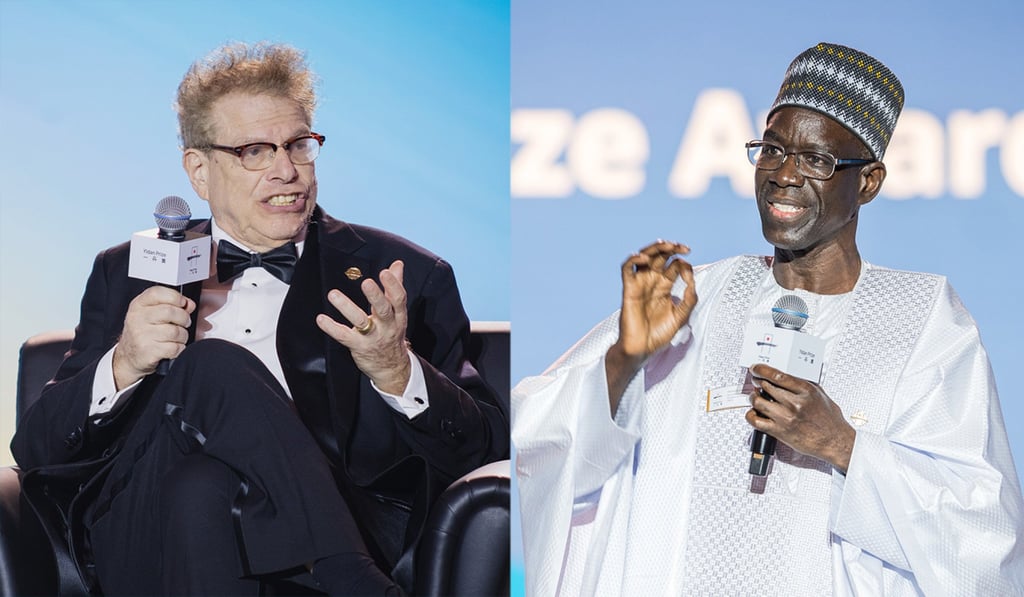
Established in 2016, the annual award honours and supports changemakers whose action-driven research and evidence-based practices are improving education worldwide. This year’s Yidan Prize laureates, Mamadou Amadou Ly and Professor Uri Wilensky, approach education from different directions – with Ly focused on multilingualism and Wilensky on computational thinking. But their goals converge on a shared goal: to empower learners everywhere with the skills to access, create and engage with knowledge more effectively.
In multilingual regions, linguistic diversity is a source of cultural richness, but also a challenge for education systems. Languages used at home, on the streets and in the playground are often not the same language used in formal schooling.
In Senegal, formal schooling is conducted in French, which only about 20 per cent of the population speaks fluently. Ly, executive director of the non-profit organisation Associates in Research and Education for Development (Ared), has made it his mission to address this barrier.
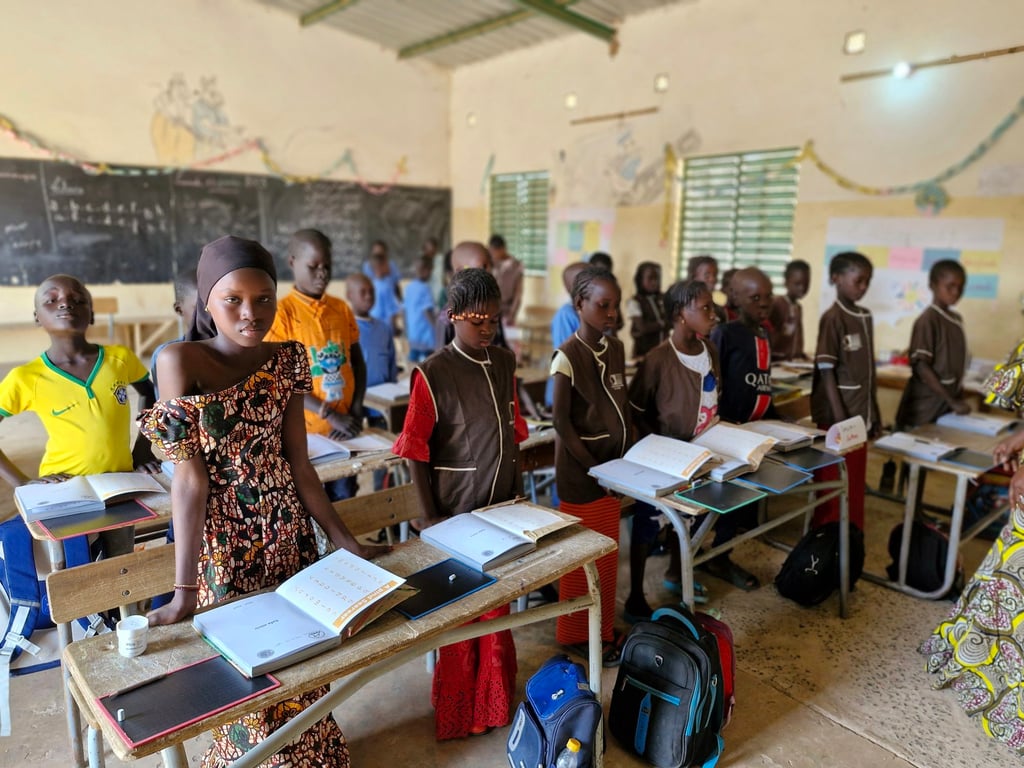
“Our bilingual education model starts with learning in the national language, that is, the languages children speak at home and in the streets,” Ly says. “French is introduced gradually and this ensures better understanding for these children of what they are learning.”
Teachers are trained to create interactive classrooms that go beyond traditional rote learning methods, and students are seeing results, including a 134 per cent increase in word reading compared with their peers in monolingual classrooms.
Working with Senegal’s Ministry of Education, Ared has scaled its work nationally and supported similar initiatives in neighbouring countries. Its approach shows a pathway to scale multilingual education, making it more equitable for millions of children.
While Ly’s work focuses on how language broadens access to learning, Wilensky helps students acquire the ability to understand complex systems and shape knowledge. As Lorraine H. Morton Professor of Learning Sciences, Computer Science and Complex Systems at Northwestern University, in the United States, he advances computational literacy, encouraging learners to explore how complex ideas actually function.
“In traditional instruction, a teacher gives information to the students and they learn the results of the scientific process,” Wilensky says. “But our world is changing very rapidly, and what’s more important is the skill of being able to adapt, create, reason about and model the new situations that we’re in.”
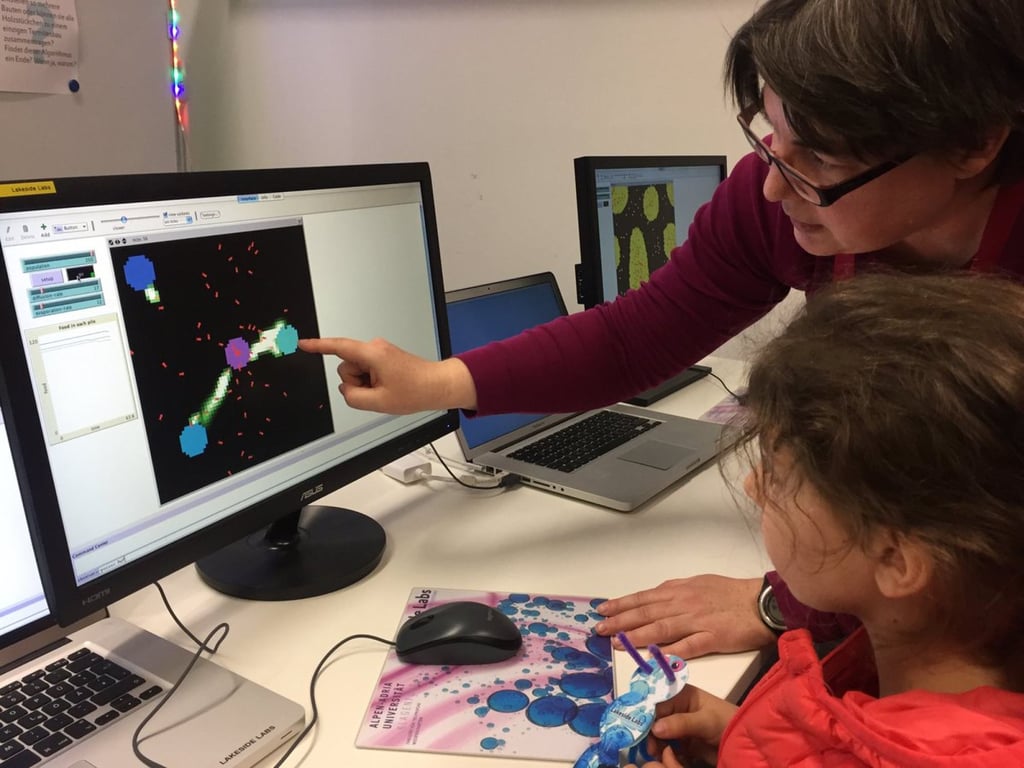
His NetLogo platform lets learners visualise and test complex phenomena, allowing for discovery through experimentation. The platform helps students grasp complex systems that shape our lives, from disease outbreaks to economic dynamics.
Ly and Wilensky demonstrate how education can evolve to meet complexity with understanding, equipping learners with the skill set to thrive in a rapidly changing world.
As the 2025 Yidan Prize laureates in education development and education research, respectively, each receives a cash prize of HK$15 million (US$1.9 million) and a project fund of HK$15 million to help scale their work to reach more learners around the world. Both laureates took part in a series of engagements, including the Yidan Prize Summit in Hong Kong, and received their gold medals at the Yidan Prize Award Ceremony on December 6, which ended a week of education-focused events.
Watch the video to learn more about innovative research and solutions to modern education problems.