Published on
December 20, 2025
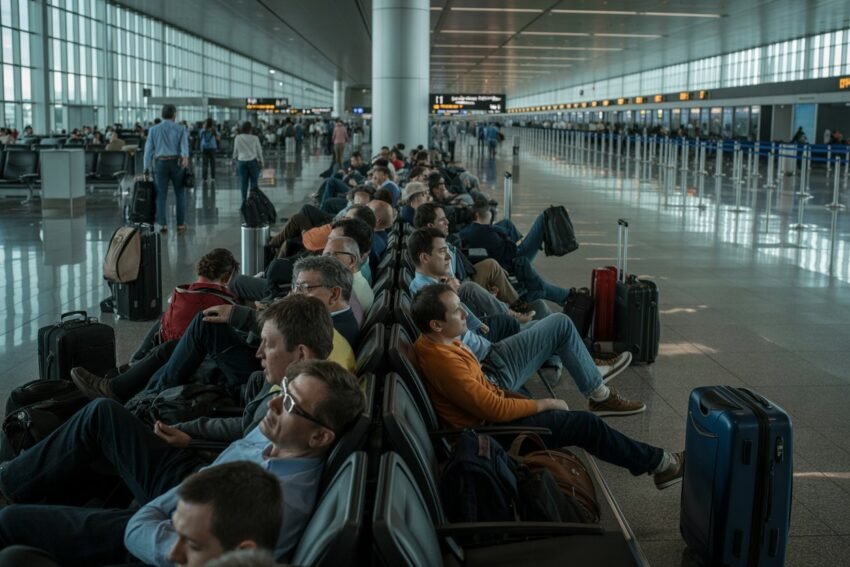
As travel restrictions have fully eased and the world has reopened, Filipino travellers have once again embraced international tourism with remarkable enthusiasm. According to the Philippine Statistics Authority (PSA), outbound tourism expenditure—spending by Filipinos abroad—reached PHP 345.68 billion in 2024, marking an impressive 37.5% growth from the previous year. This surge represents the highest growth rate among all tourism categories, surpassing both domestic and inbound tourism expenditure.
The Department of Tourism (DOT), tracking data through the e-Travel application in collaboration with the Bureau of Immigration, reported that approximately 7 million Filipinos traveled abroad throughout 2024, with the largest volumes concentrated during the last three months of the year. This pattern reflects Filipinos’ preference for traveling during extended holiday breaks, particularly during the Halloween-All Saints’ Day period, Christmas, and New Year celebrations.
Among international destinations, Hong Kong, Japan, Singapore, Taiwan, the United Arab Emirates, and Thailand emerged as the clear favorites, collectively accounting for more than half of all Filipino outbound travel. Let’s explore why these destinations continue to captivate Filipino travelers.
Hong Kong: The Perennial Favorite
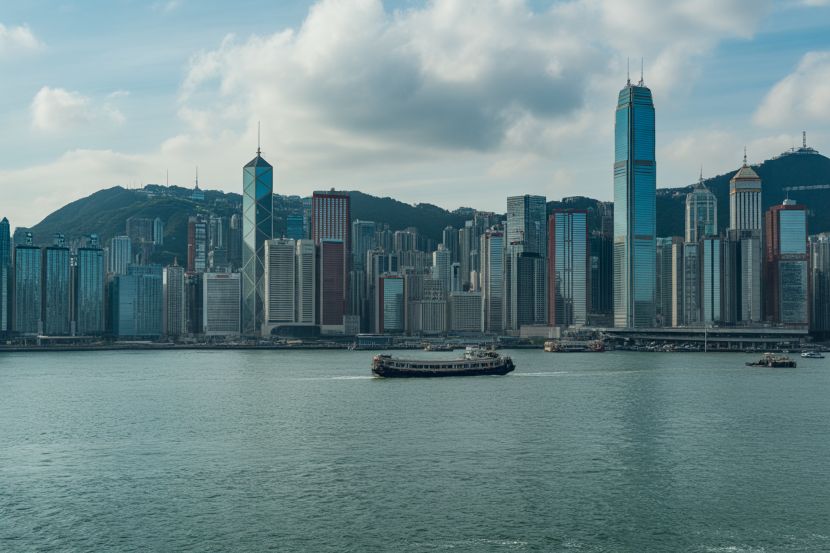
Hong Kong maintained its position as the top destination for Filipino travelers throughout 2024 and into 2025. According to DOT data, approximately 1.03 million Filipinos visited Hong Kong in 2024, with numbers continuing to climb in 2025—548,603 Filipinos traveled to the special administrative region from January to July 2025 alone, representing a 9.23% increase compared to the same period in 2024.
The Hong Kong Tourism Board confirmed that 1.19 million Filipino visitors came to the city in 2024, making Filipinos the third-largest group of visitors, following those from mainland China and Taiwan. This marked a historic high for Filipino arrivals to Hong Kong—a remarkable achievement considering the Philippines ranked only sixth among source markets in 2018, Hong Kong’s previous record tourism year.
Why Hong Kong Remains Number One
Several factors contribute to Hong Kong’s enduring appeal among Filipino travelers:
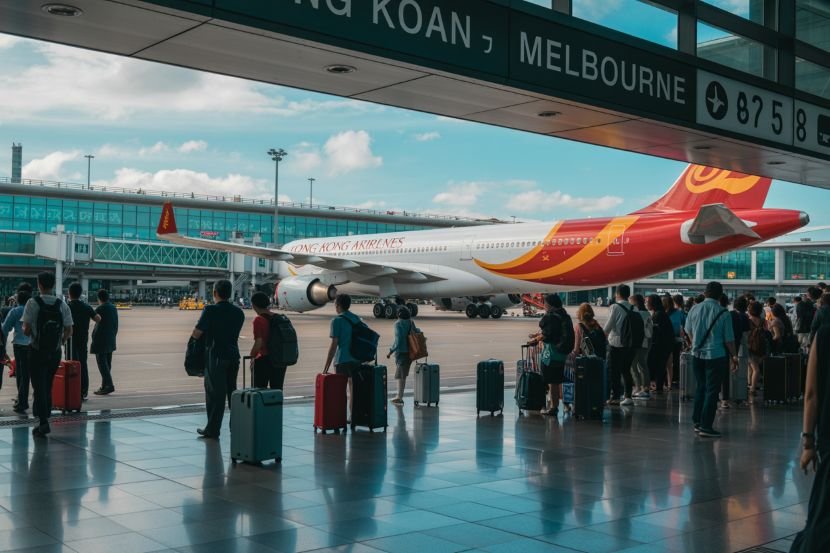
Proximity and Accessibility: Located just a short flight from Manila—typically under two hours—Hong Kong offers unparalleled convenience for quick getaways and extended vacations alike. Multiple daily flights from budget carriers to premium airlines provide Filipino travelers with flexible options to suit various budgets.
Family-Friendly Attractions: Hong Kong Tourism Board Executive Director Dane Cheng noted that Filipino families often travel in multi-generational groups and are particularly drawn to the city’s theme parks. Hong Kong Disneyland remains the crown jewel, celebrating its 18th anniversary in 2024 with the opening of “The World of Frozen,” its newest themed attraction. The park introduced exclusive offerings for Filipino visitors, including Early Park Entry Passes that allow guests to experience attractions before general opening hours.
Diverse Experiences: The city’s unique blend of traditional culture and modern amenities creates an appealing destination for diverse interests. Victoria Peak continues to offer breathtaking panoramic views of the iconic skyline, while the Tsim Sha Tsui Promenade provides scenic waterfront strolls with views across Victoria Harbour. For shopping enthusiasts, districts like Mong Kok and Causeway Bay offer everything from luxury boutiques to vibrant street markets where visitors can experience authentic Cantonese culture and cuisine.
Post-Pandemic Recovery Initiatives: Travel platform Klook reported a remarkable 302% growth in gross sales for Filipinos traveling to Hong Kong in the first quarter of 2024 compared to the same period in 2023. This surge partly resulted from Hong Kong’s aggressive tourism promotion campaigns post-pandemic, including initiatives like free flight raffles to attract visitors back to the territory.
Japan: The Dream Destination
Japan secured its position as the second most popular destination for Filipino travelers in 2024, with the Japan National Tourism Organization and Philippine DOT data revealing impressive visitation numbers. According to DOT statistics, approximately 818,666 Filipinos visited Japan in 2024, with the trend continuing strongly into 2025—472,077 Filipinos traveled to Japan from January to July 2025, representing a 6.12% increase over the same period in 2024.
Japan’s enduring popularity among Filipino travelers is particularly noteworthy considering that Filipinos require visas to enter the country, unlike the visa-free access available for Hong Kong, Singapore, Taiwan, and Thailand.

The Irresistible Allure of Japanese Culture
Japan’s appeal transcends practical considerations, drawing Filipino travelers through a compelling combination of factors:
Cultural Heritage and Modern Innovation: Japan masterfully balances preservation of ancient traditions with cutting-edge modernity. Kyoto, often called Japan’s cultural capital, attracts visitors with iconic sites like the Golden Pavilion (Kinkaku-ji) and Fushimi Inari Shrine, famous for its thousands of vermillion torii gates creating stunning photographic pathways up the mountain. Meanwhile, Tokyo dazzles with its neon-lit streets, particularly in districts like Shibuya, Harajuku, and Akihabara, offering unique shopping experiences ranging from high fashion to anime merchandise.
Seasonal Attractions: Japan’s distinct four seasons provide year-round appeal. Spring’s cherry blossom season (sakura) at locations like Ueno Park in Tokyo draws countless Filipino visitors seeking the iconic pink blooms. Winter attracts travelers to Hokkaido’s snow festivals and world-class ski resorts, while autumn offers spectacular fall foliage throughout the country.
Theme Parks and Entertainment: Tokyo Disneyland and Tokyo DisneySea remain perennial favorites among Filipino families. Universal Studios Japan in Osaka also ranks among the most popular attractions for Filipino tourists, according to Trip.com data.
Natural Beauty: Mount Fuji, Japan’s iconic snow-capped volcano, continues to be a bucket-list destination for Filipino travelers. The mountain’s majestic presence and surrounding Five Lakes region offer stunning natural landscapes accessible through various viewing points and hiking trails.
Favorable Exchange Rates: The Japanese yen’s weakness against the Philippine peso in recent years has made Japan more affordable for Filipino travelers, contributing to the sustained high visitor numbers despite visa requirements.
The Japanese government, recognizing the surge in Filipino visitors, has advised visa applicants to submit their applications at least two months before their intended departure to accommodate increased processing demands.
Singapore: The Modern Urban Paradise
Singapore maintained its position as the third most popular destination for Filipino travelers in 2024, though it experienced a slight decline in early 2025. According to DOT data, approximately 919,575 Filipinos visited Singapore in 2024, while 425,416 Filipinos traveled there from January to July 2025—a 7.63% decrease compared to the same period in 2024.
Despite this slight dip, Singapore remains a major draw for Filipino tourists, representing 11.75% of total Filipino outbound travelers during the first seven months of 2024, according to earlier DOT statistics.
Singapore’s Enduring Appeal
Singapore’s popularity stems from its seamless integration of modern architecture, immaculate green spaces, world-class shopping, and multicultural society:
Iconic Landmarks: The city-state’s architectural marvels continue to captivate visitors. Marina Bay Sands, with its distinctive ship-shaped structure perched atop three towers, houses not only a luxury hotel and casino but also offers the stunning SkyPark Observation Deck with 360-degree views of the city. Adjacent Gardens by the Bay features the otherworldly Supertree Grove and the climate-controlled Cloud Forest and Flower Dome conservatories. The iconic Merlion Park remains a must-visit for first-time visitors seeking the perfect photo with Singapore’s mythical mascot.
Shopping Paradise: Orchard Road, Singapore’s premier shopping boulevard, stretches over two kilometers and houses numerous malls offering everything from luxury international brands to local designers. Filipino shoppers particularly appreciate the tax-free shopping opportunities available at Changi Airport’s departure terminals.
Cultural Diversity: Singapore’s multicultural heritage is evident in distinct ethnic neighborhoods. Chinatown offers traditional Chinese culture, temples, and cuisine; Little India provides a sensory feast of colors, aromas, and sounds; while Kampong Glam, the Malay-Muslim quarter, showcases the golden-domed Sultan Mosque and trendy cafes along Haji Lane.
Family Entertainment: Sentosa Island remains a top choice for Filipino families, offering pristine beaches, Universal Studios Singapore, and attractions like the S.E.A. Aquarium. The world-renowned Singapore Zoo, particularly its Night Safari and River Wonders experiences, draws nature enthusiasts from the Philippines.
Accessibility: Singapore’s visa-free entry for Filipino citizens, combined with numerous direct flights and its role as a major Southeast Asian hub, makes it exceptionally accessible for both short weekend getaways and extended vacations.
Taiwan: The Rising Star
Taiwan has emerged as a rising star among Filipino travel destinations in recent years, experiencing dramatic growth in 2024 and 2025. According to DOT data, approximately 424,080 Filipinos visited Taiwan in 2024, with momentum accelerating significantly in 2025—323,538 Filipinos traveled to Taiwan from January to July 2025, representing a remarkable 34.56% increase compared to the same period in 2024.
This growth reflects Taiwan’s increasing prominence as a destination that combines urban sophistication with natural beauty, all while offering visa-free access to Filipino passport holders.
Taiwan’s Growing Appeal
Taiwan has successfully positioned itself as an alternative to more established Asian destinations through several compelling attractions:
Vibrant Night Markets: Taiwan’s night markets are legendary throughout Asia and represent a major draw for Filipino food enthusiasts. The Shilin Night Market in Taipei stands as the largest and most famous, offering an incredible array of Taiwanese street food including bubble tea (which originated in Taiwan), stinky tofu, oyster omelets, beef noodle soup, and countless other delicacies. These markets provide not just food but also entertainment, shopping, and cultural immersion at remarkably affordable prices.
Iconic Landmarks: Taipei 101 remains Taiwan’s most recognizable symbol. Once the world’s tallest building until 2004, the 508-meter skyscraper offers observation decks on the 89th and 91th floors, providing spectacular 360-degree views of Taipei and the surrounding mountains. The building’s distinctive bamboo-inspired design and its status as an engineering marvel make it a must-visit for Filipino tourists.
Natural Wonders: Taiwan’s compact size belies its diverse natural landscapes. Taroko Gorge, one of Asia’s most spectacular natural attractions, features towering marble cliffs, deep gorges, and winding trails that draw adventure-seeking Filipino travelers. Alishan Mountain offers sunrise views above the clouds, ancient forest trails, and scenic railway journeys. Kenting National Park, at Taiwan’s southern tip, provides tropical beaches, coral reefs for snorkeling, and hiking opportunities.
Cultural Heritage: The National Palace Museum in Taipei houses one of the world’s finest collections of Chinese art and artifacts, spanning thousands of years of history. The museum’s treasures provide insight into Chinese cultural heritage and offer Filipino visitors an enriching educational experience.
Affordability and Accessibility: Taiwan’s relatively affordable prices compared to Japan or Singapore, combined with visa-free access for Filipino citizens and increasing flight connections from Manila and other Philippine cities, contribute to its growing popularity.

United Arab Emirates: Luxury and Desert Adventure
The United Arab Emirates, particularly Dubai, has consistently attracted Filipino travelers, serving as both a tourism destination and home to hundreds of thousands of overseas Filipino workers. According to DOT data, approximately 463,808 Filipinos traveled to the UAE in 2024, with 288,197 visiting from January to July 2025—an 8.87% increase over the same period in 2024.
Dubai’s Glittering Appeal
Dubai’s reputation as a cosmopolitan metropolis filled with superlative attractions makes it a compelling destination for Filipino travelers:
Architectural Marvels: The Burj Khalifa, the world’s tallest building at 828 meters, dominates Dubai’s skyline and offers observation decks on the 124th, 125th, and 148th floors, providing unparalleled views of the city, desert, and ocean. The building has become synonymous with Dubai’s ambition and modernity.
Shopping Extravaganza: Dubai positions itself as a global shopping capital. The Dubai Mall, one of the world’s largest shopping centers, houses over 1,200 stores, an Olympic-sized ice skating rink, and the spectacular Dubai Aquarium & Underwater Zoo, which features a 10-million-liter tank visible through the mall’s ground floor. Mall of the Emirates, home to the indoor Ski Dubai facility, offers another unique shopping experience. Filipino shoppers are particularly drawn to Dubai’s annual shopping festivals offering significant discounts.
Desert Experiences: Dubai’s unique location between modern metropolis and Arabian desert enables distinctive experiences. Desert safaris remain highly popular among Filipino visitors, offering dune bashing in 4×4 vehicles, camel riding, sandboarding, traditional Bedouin-style dinners under the stars, and cultural entertainment including belly dancing and tanoura performances.
Beach Resorts and Luxury: Dubai’s pristine beaches along the Persian Gulf, combined with world-class resorts and hotels, attract Filipino travelers seeking luxury relaxation. The Palm Jumeirah, an artificial archipelago shaped like a palm tree, hosts some of Dubai’s most prestigious resorts.
Cultural Heritage: Despite its modern facade, Dubai preserves its heritage in areas like the Al Fahidi Historical Neighborhood, with its traditional wind-tower architecture, and the Dubai Museum, housed in the 18th-century Al Fahidi Fort. These sites provide context for Dubai’s transformation from fishing village to global metropolis.
Filipino Community: With approximately 700,000 Filipinos residing in the UAE, many Filipino tourists visit to reunite with family members and friends working in the country, combining tourism with visiting friends and relatives (VFR) travel.
Thailand: Adventure and Tropical Beauty
Thailand continues to enchant Filipino travelers with its combination of vibrant cities, pristine beaches, rich cultural heritage, and remarkable affordability. According to DOT data, approximately 406,063 Filipinos visited Thailand in 2024, with momentum accelerating dramatically in 2025—291,374 Filipinos traveled to Thailand from January to July 2025, representing a substantial 34.21% increase compared to the same period in 2024.
Thailand’s Timeless Attractions
Thailand’s enduring popularity among Filipino travelers stems from its diverse offerings that appeal to various travel styles and budgets:
Bangkok’s Urban Energy: Thailand’s capital city offers an intoxicating blend of ancient temples, modern shopping centers, bustling markets, and legendary street food. The Grand Palace, Bangkok’s most famous landmark, served as the official residence of Thai kings for 150 years and houses the revered Temple of the Emerald Buddha (Wat Phra Kaew). The massive Chatuchak Weekend Market, with over 15,000 stalls, provides an overwhelming shopping experience for everything from clothing to antiques to exotic pets.
Tropical Island Paradise: Thailand’s islands and beaches rank among the world’s most beautiful. Phuket, Thailand’s largest island, offers a perfect balance of developed beach resorts, nightlife, and natural beauty. The Phi Phi Islands, made famous by the movie “The Beach,” feature stunning limestone cliffs rising from turquoise waters. Krabi provides dramatic karst formations, secluded beaches accessible only by longtail boat, and excellent rock climbing. These destinations attract Filipino beach lovers and adventure seekers throughout the year.
Cultural Festivals: Filipinos visiting Thailand often time their trips to coincide with unique cultural celebrations. Songkran, the Thai New Year festival held in April, features nationwide water fights and traditional merit-making ceremonies. The Loy Krathong festival in November sees thousands of floating lanterns released into the sky and waterways, creating magical photographic opportunities.
Culinary Excellence: Thai cuisine’s popularity among Filipinos contributes significantly to Thailand’s appeal. Iconic dishes like Pad Thai, green curry, tom yum soup, mango sticky rice, and countless regional specialties are available everywhere from street food stalls to high-end restaurants, typically at very affordable prices by international standards.
Affordability: Thailand remains one of the most budget-friendly destinations for Filipino travelers, offering excellent value across accommodations, food, activities, and shopping. The Philippine peso’s favorable exchange rate against the Thai baht enhances Thailand’s affordability.
Visa-Free Access: Filipino passport holders enjoy visa-free entry to Thailand for stays up to 30 days (or 60 days under certain conditions), making travel planning simple and accessible.
Additional Notable Destinations
While Hong Kong, Japan, Singapore, Taiwan, the UAE, and Thailand dominate Filipino outbound tourism, several other destinations merit mention:
United States: Approximately 345,064 Filipinos traveled to the United States in 2024, with 205,826 visiting from January to July 2025 (a 7.38% increase). The large Filipino-American community—estimated at 4.2 million people—drives significant visiting friends and relatives (VFR) travel.
Saudi Arabia: About 436,243 Filipinos visited Saudi Arabia in 2024, with 262,327 traveling from January to July 2025. Similar to the UAE, the large Filipino worker population creates substantial VFR travel, though religious pilgrimages to Mecca and Medina also contribute.
South Korea: Korean pop culture’s influence has driven increased Filipino interest in South Korea as a travel destination. 130,846 Filipinos visited from January to July 2025, representing a 12.52% increase over the same period in 2024.
Vietnam: Perhaps most remarkably, Vietnam experienced explosive growth in Filipino visitation, with 200,241 Filipinos traveling there from January to July 2025—a staggering 97.8% increase compared to the same period in 2024, making it the fastest-growing destination among Filipinos.
Europe: European destinations collectively attracted 289,680 Filipinos from January to July 2025, a 4.5% increase over 2024. Top European destinations included the United Kingdom (48,283 visitors), Italy (34,733), and Spain (25,471). Interestingly, Switzerland continues attracting Filipino fans of the Korean drama “Crash Landing on You,” which featured Swiss filming locations.
Travel Patterns and Behaviors:
Peak Travel Periods: The last quarter of the year—October, November, and December—represents peak travel season for Filipinos. According to DOT data, 595,338 Filipinos traveled abroad in October 2024, 600,248 in November, and travel peaked in December at 655,640. These patterns align with school breaks, extended holiday weekends, and year-end vacation periods.
Summer Travel: July also represents a major travel month, with 597,085 Filipinos traveling abroad in July 2024, coinciding with the summer vacation period before the Philippine school year typically begins in August.
Regional Preference: Southeast Asian countries represented a significant portion of Filipino travel, with 1.1 million Filipinos visiting Southeast Asian nations from January to July 2025—a 14.14% increase compared to 2024. Singapore, Thailand, and Vietnam led regional destinations, reflecting their relative affordability and accessibility.
Multi-Generational Travel: Filipino families often travel in multi-generational groups, including grandparents, parents, and children. This travel pattern influences destination choice, favoring family-friendly locations with diverse activities suitable for all ages.
Concert and Event Tourism: Filipinos increasingly travel specifically for entertainment events. When Taylor Swift’s “The Eras Tour” bypassed the Philippines, Filipino fans became top buyers of ticket bundles for her concerts in Singapore, accounting for 10-15% of tickets sold through the Klook platform. Similar patterns emerged for other concerts and music festivals throughout Asia.

Economic Impact and Growth Trajectory
Economic Growth: According to the Philippine Statistics Authority, outbound tourism expenditure grew 37.5% in 2024, reaching PHP 345.68 billion—the highest growth rate among all tourism expenditure categories. This figure increased from PHP 251.35 billion in 2023 and PHP 189.29 billion in 2022, reflecting Filipino travelers’ increasing spending power and travel enthusiasm.
Tourism Sector Contribution: The entire tourism sector (including domestic, inbound, and outbound) contributed 8.9% to the Philippines’ GDP in 2024, up from 8.7% in 2023. The sector generated PHP 2.35 trillion in direct gross value added and employed 6.75 million Filipinos (13.8% of total employment).
Payment Preferences: A 2024 Visa survey revealed that 66% of Filipino travelers now favor contactless payments, including mobile wallets and tap-to-pay cards. Additionally, 67% expressed intentions to acquire cards with contactless features, reflecting the rising adoption of digital payment solutions among Filipino travelers.
Future Outlook: The World Travel Market Global Travel Report 2025 projects that international visitor spending in the Philippines will increase to $21.1 million USD by 2030, representing an 80% increase from 2025 levels. This domestic economic growth, combined with increasing disposable incomes among middle-class Filipinos, suggests continued robust outbound tourism growth.
A New Era of Filipino Global Exploration
The surge in Filipino outbound tourism throughout 2024 and into 2025 represents more than just numbers—it reflects the Philippines’ growing economic strength, the increasing spending power of Filipino families, and Filipinos’ inherent love for exploration and cultural exchange. The 7 million Filipinos who traveled abroad in 2024, spending a combined PHP 345.68 billion, demonstrate that international travel has become increasingly accessible to broader segments of Philippine society.
The enduring popularity of Hong Kong, Japan, Singapore, Taiwan, the UAE, and Thailand—which collectively account for the majority of Filipino outbound tourism—reflects these destinations’ success in providing the diverse experiences Filipino travelers seek: family-friendly entertainment, cultural enrichment, natural beauty, shopping opportunities, culinary adventures, and excellent value for money.
Several factors position Filipino outbound tourism for continued growth:
- Visa-Free Access: Most top destinations (Hong Kong, Singapore, Taiwan, Thailand) offer visa-free entry, reducing travel barriers.
- Accessibility: Numerous airlines, including budget carriers, provide frequent flights between the Philippines and popular destinations, making international travel more affordable.
- Economic Growth: The Philippines’ robust economic growth and expanding middle class create increasing numbers of Filipinos with discretionary income for travel.
- Digital Connectivity: Social media influence and digital payment adoption are making travel planning easier and inspiring wanderlust among younger Filipinos.
- Cultural Affinity: The Philippines’ position within Asia, combined with Filipinos’ adaptability and openness to diverse cultures, facilitates comfortable exploration of regional destinations.
As 2025 continues to unfold, Filipino travelers are embracing an increasingly global landscape. The dramatic growth in emerging destinations like Vietnam (97.8% increase) and Taiwan (34.56% increase) suggests Filipino travelers are becoming more adventurous, seeking new experiences beyond traditional favorites.
The coming years will likely see continued expansion of Filipino outbound tourism, driven by younger generations’ emphasis on experience-driven travel, increased concert and event tourism, and growing interest in previously lesser-known destinations. Whether seeking the excitement of Asia’s megacities, the serenity of tropical beaches, the richness of cultural heritage sites, or the luxury of world-class resorts, Filipino travelers are writing a new chapter in the nation’s relationship with the world—one journey at a time.