“Song Dong’s art always explores the experience and process of change in surrounding environments, the constant quest for discourse and stimulation, as well as the openness of possibility,” says Leng Lin, partner and president, Asia of Pace Gallery and, since 2005, his co-creator, along with artists Liu Jianhua, Hong Hao and Xiao Yu, in provocative collective Polit-Sheer-Form Office (PSFO).
After three years of extraordinary change, Song is showing creations produced during the Covid-19 pandemic in three solo exhibitions in China and the United States.
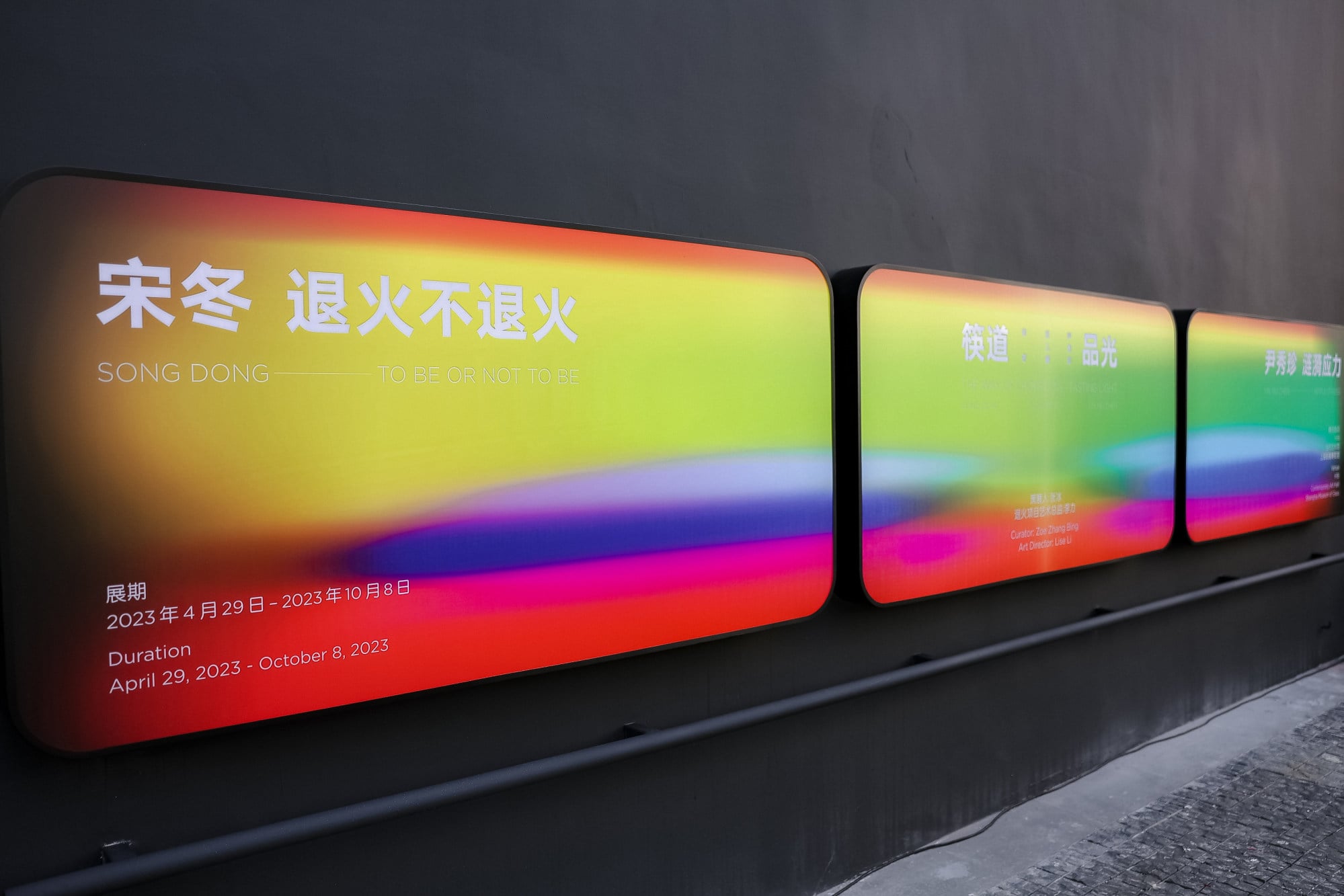
Shows at the Shanghai Glass Museum (both until October 8) by Song and Yin bring the personal content up a level by also incorporating their daughter Song Errui, who grew up in the artistic spotlight.
Since 2018, the family have been planning to show their works as part of the museum’s “Annealing Project”, which invites contemporary artists to learn glass techniques. Delayed by China’s closures and lockdowns to limit the spread of Covid-19, glassware made by the Song family at last fills the two floors of the museum’s project space.
Yin’s solo show, “Ripple Stress”, is upstairs and Song’s “To Be or Not To Be” downstairs.
The way time was controlled meant that something that can’t be swayed by human will ended up with the illusion of elasticity
They are connected by a staircase coated in mirrors for the duration of the exhibitions and containing “The Way of Chopsticks: Seeing Light”, three giant, chopstick-shaped glass tubes contributed by each family member.
“To Be or Not To Be” includes colourful “books” made of glass displayed in pristine, white rooms that Song titles Ignorance Glass Publications. A tear in the room’s mirrored wall leads into Desireless, a ramshackle workshop documenting and containing Song’s various experiments with blowing and exploding glass atop old furniture.
“Glass to me is more than just technology and technique. By being involved in creating art with glass, I hope to use the material as a medium for the spirit and a way to experiment with ideology,” he says.
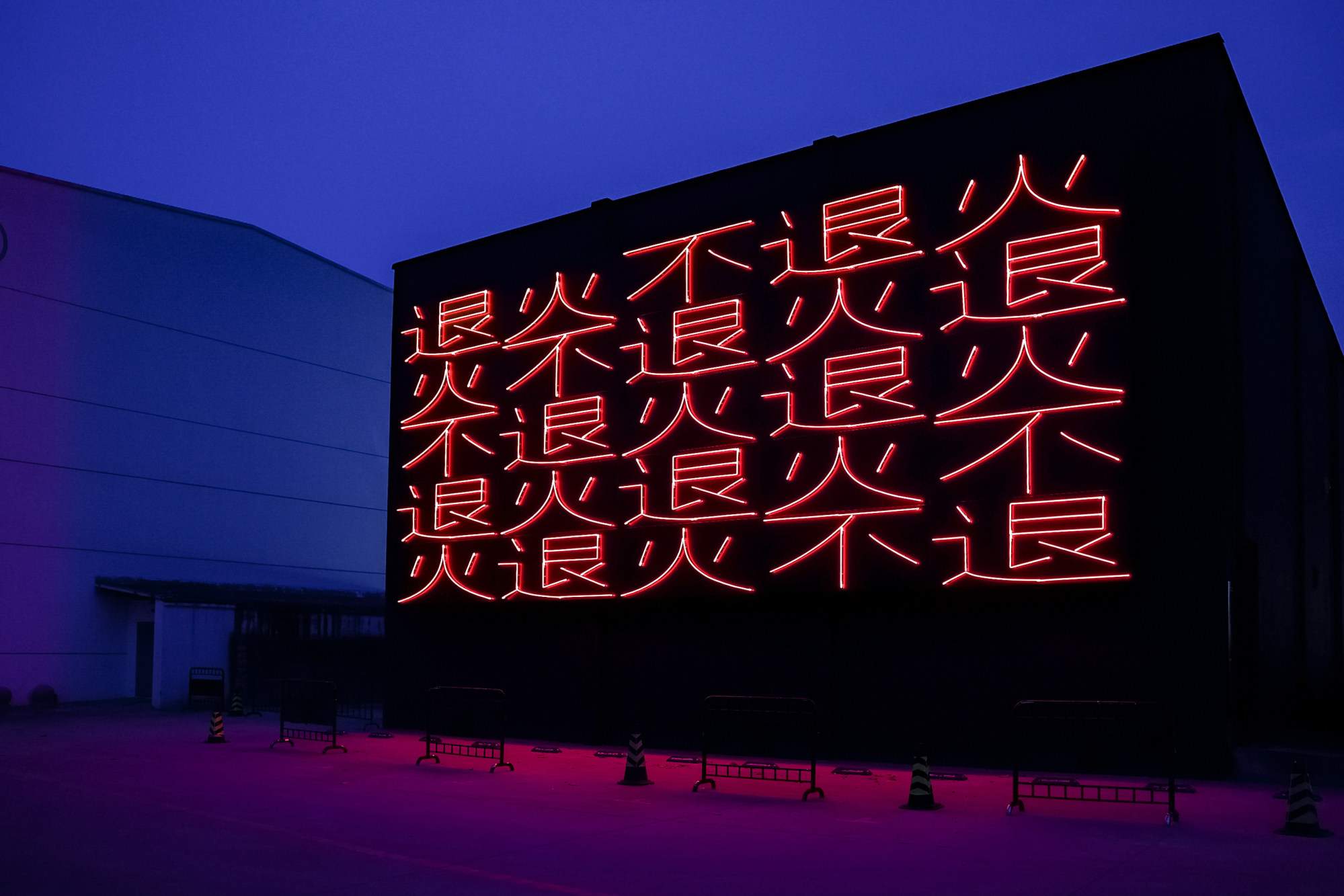
The Chinese title of the show translates as “To Anneal or Not To Anneal”, a question asked repeatedly in a fiery neon sign that is part of the show.
Annealing is the process of heat-treating materials like glass and steel to make them softer and more pliable, a process many in China feel they have undergone in the past few years under some of the world’s most extreme pandemic restrictions.
Many of the objects in another of Song’s Covid-delayed shows – called “2023” – which opened on July 1 at the Yalu River Museum of Modern and Contemporary Art in Dangong, next to the China-North Korea border – also have associations with the Covid era.
Five museums you wouldn’t expect to find in Shanghai
Five museums you wouldn’t expect to find in Shanghai
Nothing Unusual presents an archive of printed selfies and Gengzi Beard and Hair is a collection of the artist’s depilatory trimmings – references to the long periods of pandemic restrictions in China.
Then there is “Song Dong: Round”, his first overseas exhibition since the pandemic, which has just opened at Pace Gallery in New York.
It includes his new series Da Cheng Ruo Que, which started as gifts for Song Errui that Song Dong began crafting in the quiet months of 2020 using the detritus left over from making his “Usefulness of Uselessness” works using discarded architectural frames and windows.
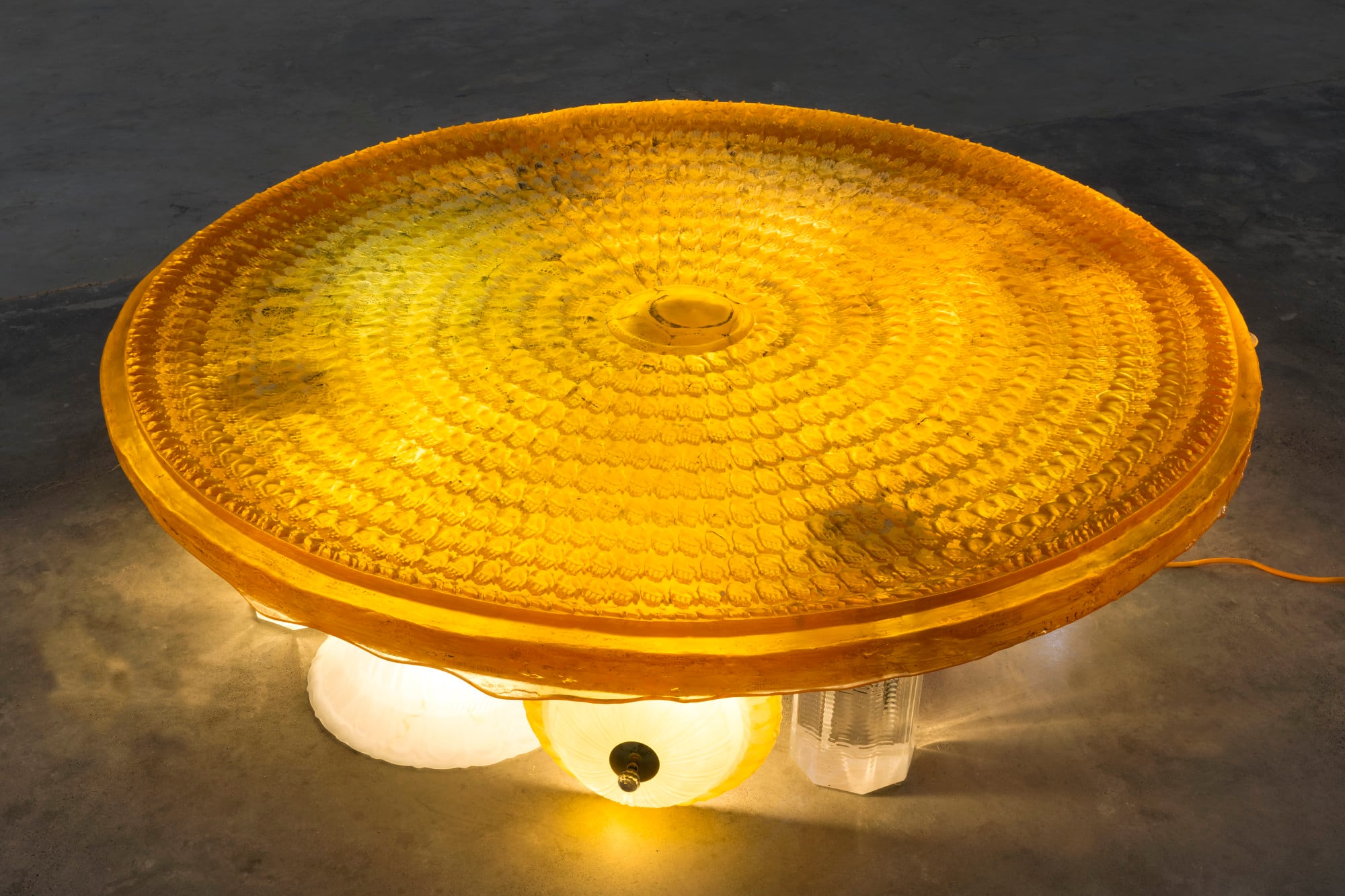
“The three solo shows are all very different from each other, but they have in common a sustained focus on the idea of time.
The epidemic situation gave me a deeper and broader understanding of time. The way time was controlled meant that something that can’t really be swayed by human will ended up with the illusion of elasticity,” Song explains.
For example, the growth of his hair and beard during the pandemic was a real record of time, as opposed to how time is increasingly something that puts pressure on people’s lives, he says.
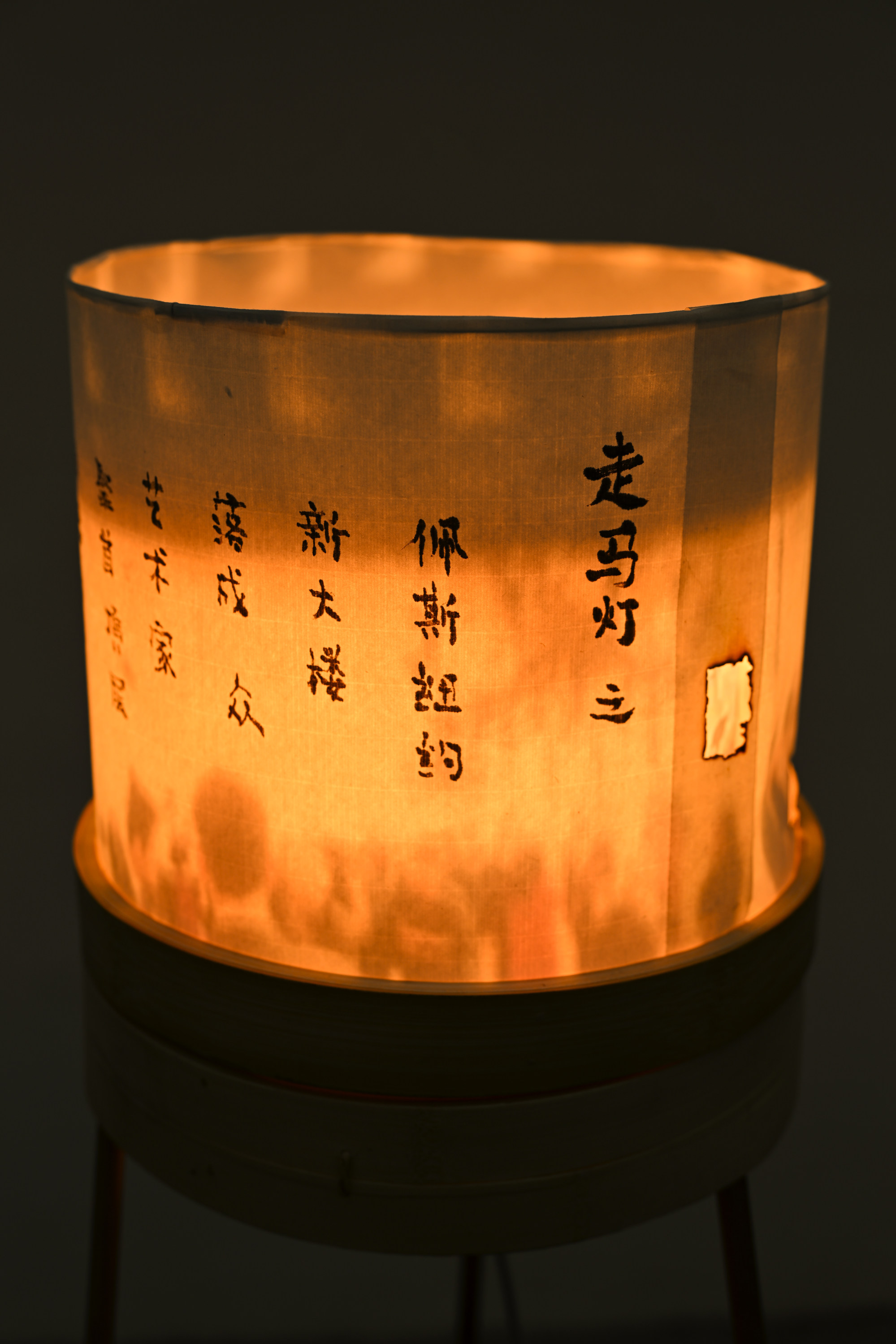
Speaking from New York, Song says the city was the last place overseas he visited in January 2020 before returning to Beijing and being plunged into the pandemic – and now is the first to which he has ventured with the pandemic over.
“After over three years, I came to New York again, and I am full of emotion; the world has changed too much,” he says.
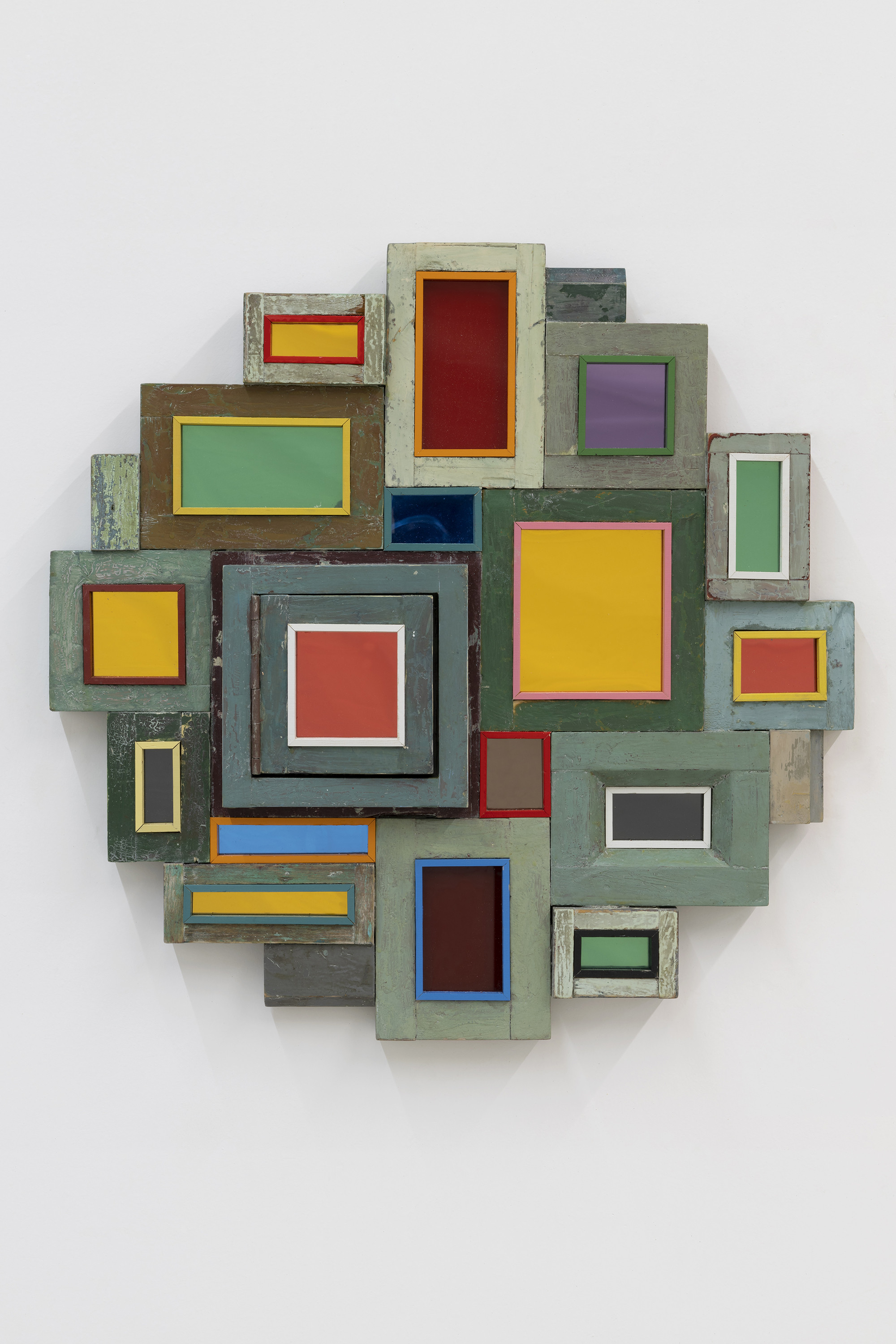
In Da Cheng Ruo Que, which means imperfection is the highest perfection, Song created imaginary windows and portals to a world that was temporarily shut off to everyone, Beasley says.
“His sensitivity to material and thought speaks to the universal desire in all of us for connection through community and for freedom of travel and thought of passage, which were momentarily lost and then returned,” he says.
“Song Dong’s work invites us to consider movement, travel, and sociability – a second chance to make good on the gifts of connection we perhaps took for granted.”