This year, 88 seats will be directly elected in 44 constituencies, while the chief executive will choose 179 others and about 2,500 government-appointed members of three local committees in each district will decide the remaining 176.
Under the new nomination rules, no opposition hopefuls secured enough backing to run after previously winning more than half of the votes in previous polls, an absence that some observers say has sapped public interest in Sunday’s contest.
Google Trends shows the search popularity of “district council” in the first week of December was one-tenth the level recorded during the last election for the municipal-level bodies in November 2019 when anti-government protests gripped the city and a record 71 per cent of voters took part.
Political diversity aside, many residents were this year struggling to understand the new electoral model, which has drastically expanded each constituency.
In Sham Shui Po, seven out of eight residents the Post interviewed reported having difficulty providing the full name of their constituency, including Terry Lo Wai-yu, a 62-year-old retiree living in So Uk Estate, who said he was keen to vote on Sunday.
In the previous poll, Lo’s estate was itself a constituency with one district councillor representing 18,956 residents, according to the 2021 census.
But the estate has been subsumed into the larger Sham Shui Po West constituency with a population of 218,133 and just two councillors to be returned by popular vote.
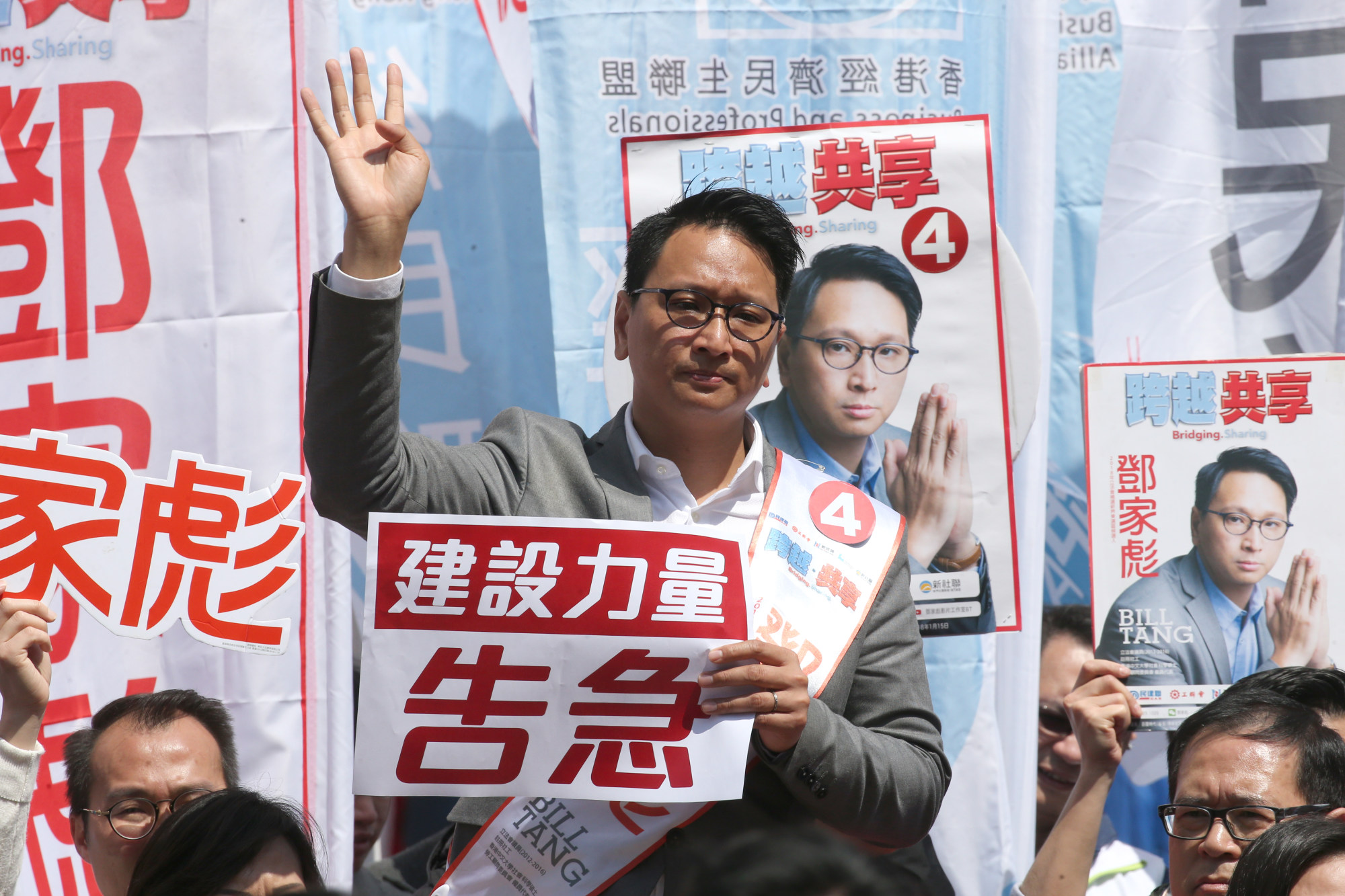
Bill Tang Ka-piu, a lawmaker with the Hong Kong Federation of Trade Unions (FTU) who began his political career as a district councillor, said residents’ struggle to get used to the new electoral model had hindered his party candidates’ campaigning efforts.
“Voters think district councillors are supposed to be seen and accessible right downstairs,” he said. “But candidates are now running in constituencies of 200,000 people, not 20,000. Even if they plan to vote, they’d ask: ‘How can I vote for a candidate I have never met?’”
Professor Lau Siu-kai, a consultant at the semi-official Chinese Association of Hong Kong and Macau Studies think tank, said he expected the turnout to be about 20 per cent but the figure could be higher.
“The vast majority of residents should have become aware of the coming election following the avalanche of penetrating publicity [by the government], and a little carnival atmosphere should help increase turnout,” he said. “It is not impossible for the turnout to exceed 20 per cent.”
The veteran political scientist was referring to a series of activities the government was planning to hold under the banner of “District Council Election Fun Day” on Sunday, which included a fun fair and an outdoor concert, among other events.
Hong Kong police ‘to deploy 12,000 officers’ for district council election
Hong Kong police ‘to deploy 12,000 officers’ for district council election
Chinese University political scientist Ma Ngok said the amount of physical interaction between candidates and voters was noticeably lacking this year compared with previous races.
Their lack of presence could be due to the redrawn constituencies which required candidates to cover bigger areas or that they had put more effort into mobilising their “iron votes”, he said.
While civil servants and residents working at public bodies or mainland Chinese companies would be under pressure to cast a ballot, the number of registered voters citywide had dropped since 2021 amid an emigration wave, Ma said.
He predicted turnout could hit about 30 per cent, similar to the Legislative Council election two years ago, but added that the final tally would not “legitimise” the new electoral model.
“People who do not care about the election will continue not to,” he said. “International media will still consider the turnout to be low compared with the previous poll.”
Can Hong Kong’s John Lee get voters out casting ballots for coming district poll?
Can Hong Kong’s John Lee get voters out casting ballots for coming district poll?
Chan Wai-keung, a political scientist of Polytechnic University and former district councillor, said authorities’ all-out drive to get people to the polls might end up adding to questions over the legitimacy of the electoral overhaul if the turnout was disappointing.
He also argued authorities’ message that “your vote matters” was no longer consistent with reality given the administration would have full control of the councils’ agenda.
“How could the votes be very important at all?” he said. “[Popularly elected members] only make up a fifth of the district councils, and voters don’t get to decide four-fifths of them … decisions of the district councils are not going to be influenced by residents.”
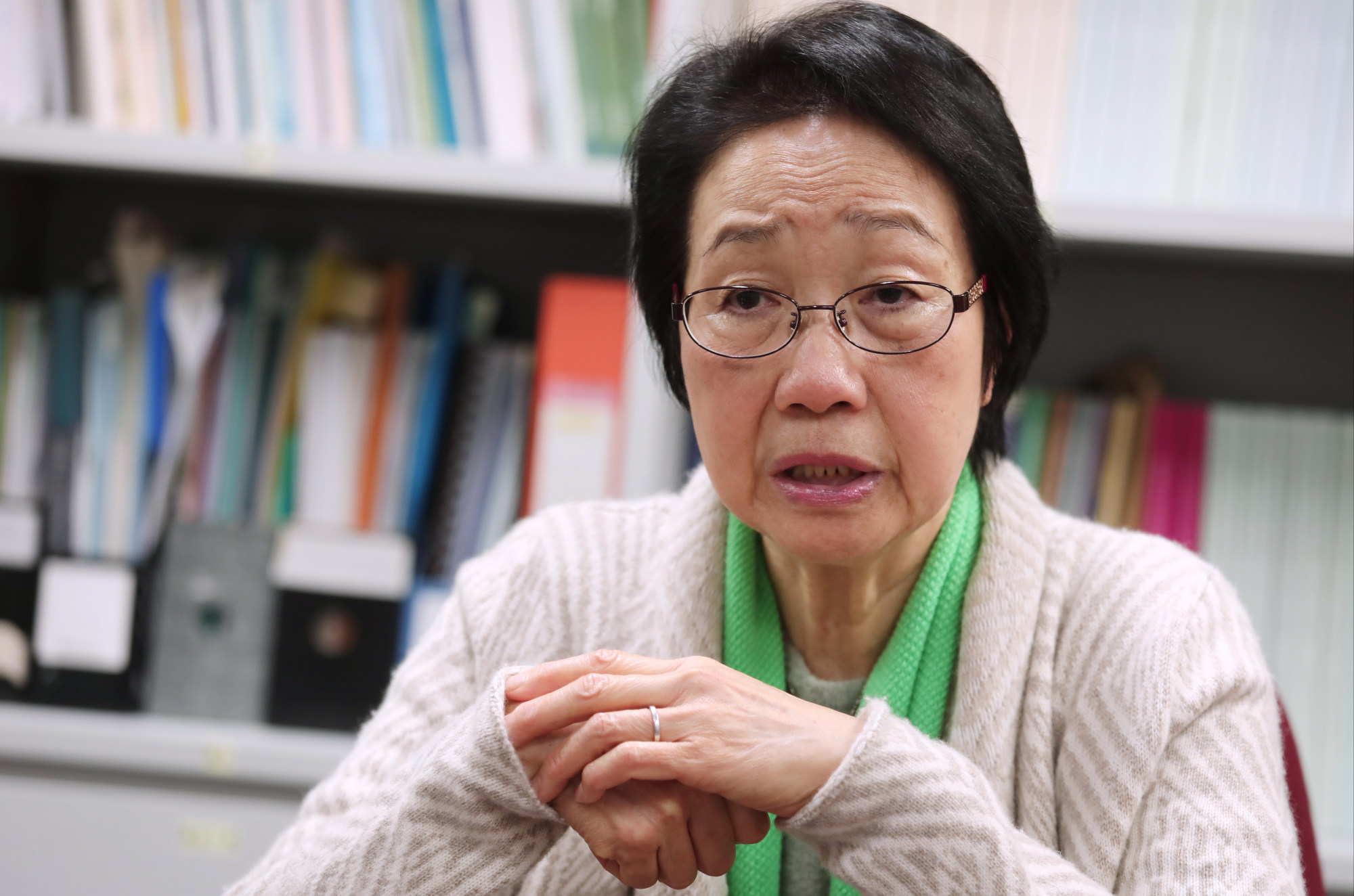
Chan Yuen-han, a former FTU lawmaker and district councillor, said she saw “room for improvement” in the district council framework after spending time explaining how the system worked to residents.
“Keep things simple and don’t define so many groups. I think this is the easiest way. People are tired of being asked to classify themselves into different groups,” said Chan, who stopped short of saying whether she wanted more seats to be directly elected.
“Let’s vote first and we can make changes later. Every reform is a process.”
Additional reporting by Jeffie Lam