A combination of healthy lifestyle management and guideline-based care showed minimal improvements in chronic low back pain when compared with guideline-based care alone as the control, according to data published in JAMA Network Open.1
“Low back pain is a leading cause of disability globally and a significant public health problem,” wrote the authors. “Observational studies have linked the development and persistence of low back pain with lifestyle risk factors, such as being overweight, smoking, physical inactivity, and poor diet. Disability associated with back pain can also lead to compensatory unhealthy lifestyle behaviors, exposing people to increased risk of chronic diseases.”
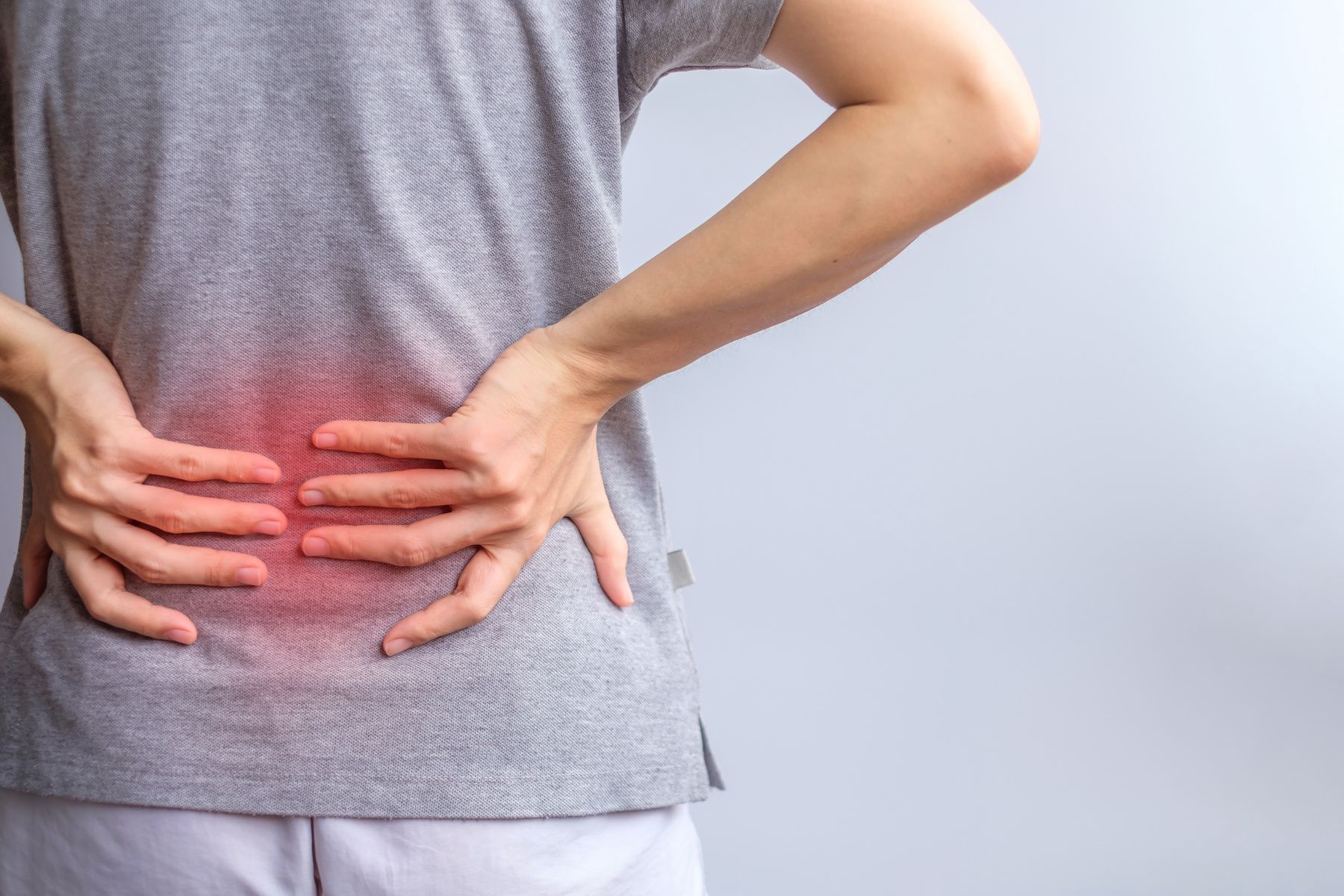
According to the World Health Organization (WHO), low back pain is the number 1 cause of disability in the world, affecting 619 million people and estimated to reach 843 million by 2050.2 It occurs at any age and it’s more likely an individual experiences low back pain at some point in their life than not. However, despite WHO recognizing low back pain as an extremely prominent condition, it does not recommend weight-loss to treat it because of lacking evidence—a theme researchers noticed when exploring low back pain’s association with a healthy lifestyle.
According to the World Health Organization (WHO), low back pain is the number 1 cause of disability in the world. | image credit: Jo Panuwat D / stock.adobe.com
READ MORE: Biofeedback Shows Promising Results in Treating Chronic Pain
To address the lack of knowledge regarding lifestyle management for low back pain, researchers focused on lifestyle risk factors like obesity, smoking, poor diet, and physical inactivity.
“In response to knowledge gaps about integrated care for low back pain and unhealthy lifestyle, we designed the HeLP (Healthy Lifestyle Program) for Chronic Low Back Pain Trial,” they wrote.1 “The HeLP trial aimed to assess the benefits and potential harms of integrating management of unhealthy lifestyle with guideline-based care on low back pain disability compared with current guideline-recommended care alone.”
The HeLP trial was conducted between September 8, 2017, and December 30, 2020, to compare the HeLP intervention with guideline-based care for adults with nonspecific chronic low back pain. Investigators only focused on patients with at least 1 presenting lifestyle risk factor defined as patients being overweight, not meeting recommended amount of physical activity or fruit and/or vegetable consumption, or smoking.
“The HeLP intervention included guideline-based care plus back pain–specific healthy lifestyle education and support provided in clinical consultations, educational resources (booklet and web portal access), and telephone-based health coaching,” continued the authors. “Clinical consultations included up to 4 physiotherapist sessions and 1 dietitian session over 12 weeks, focusing on pain education lifestyle changes and self-management plans.”
For those in guideline-informed care, patients received back pain education, advice, and exercises. They were instructed to attend 3 consultations over a 12-week period. Clinicians working with patients in the control group did not give lifestyle advice aside from exercise recommendations. All trial participants were randomized in a 1:1 ratio to either the HeLP or control interventions.
A total of 344 individuals were included in the study (mean age, 50.2 years; 55% women) with 172 participants separated into each intervention group. However, after 26 weeks of follow up, only 142 participants and 147 participants from the HeLP and guideline-based groups provided data respectively.
“Integrating healthy lifestyle into care for low back pain resulted in a small improvement in disability at 26 weeks compared with current guideline-based care alone. There was also a small reduction in weight and improved physical quality of life, but no differences in pain intensity, mental quality of life, or smoking,” they wrote.1
With minimal improvements on lifestyle risks and low back pain, researchers believe this study helps bolster evidence for lifestyle interventions in the treatment of low back pain. Because WHO does not believe the proper evidence exists, it does not recommend lifestyle interventions for treating low back pain. But as future research is conducted similar to the current trial, providers will have alternate methods of approaching low back pain, or pain as a whole.
“This randomized clinical trial suggests that integrating management of healthy lifestyle risks for the care of patients with low back pain may provide a small improvement in disability compared with guideline-based care alone and large benefit for those who complied with at least half the treatment,” they concluded.1 “Treatment models that include support to address lifestyle behaviors hold promise for improving the disability burden of low back pain and providing opportunistic care for prevalent chronic disease risks in those with back pain.”
READ MORE: Pain Management Resource Center
Are you ready to elevate your pharmacy practice? Sign up today for our free Drug Topics newsletter and get the latest drug information, industry trends, and patient care tips, straight to your inbox.