“The sale of the land will help the arts hub meet its financial obligations for a period of 10 years, but the authority will have to work out a viable, long-term commercial model,” he said.
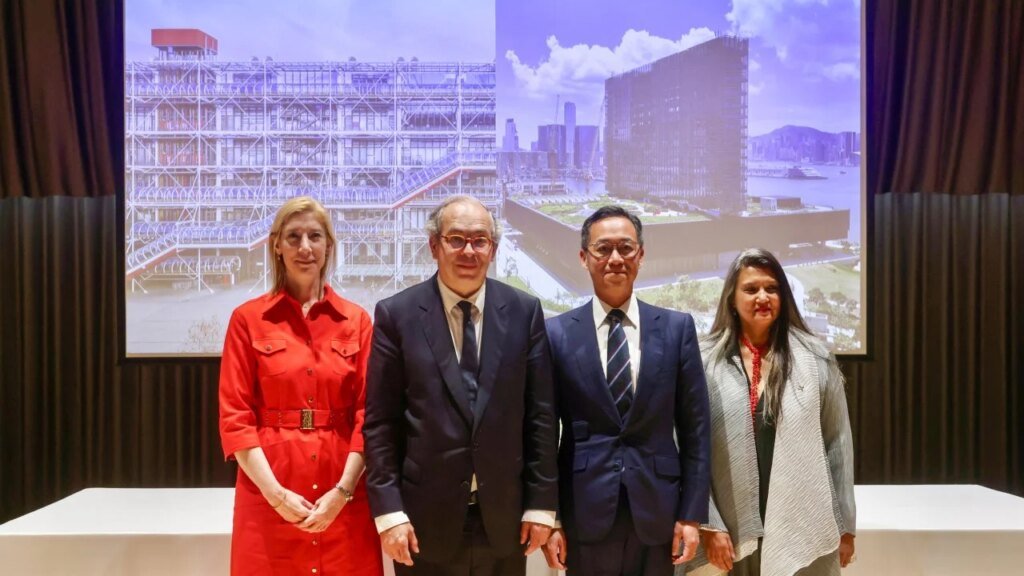
Henry Tang Ying-yen, board chairman for the West Kowloon Cultural District Authority, thanked the government for granting the body support without resorting to using taxpayers’ money.
“The decision to ease the restrictions on selling the land will meet our goal of not adding to the government’s financial burden,” he said.
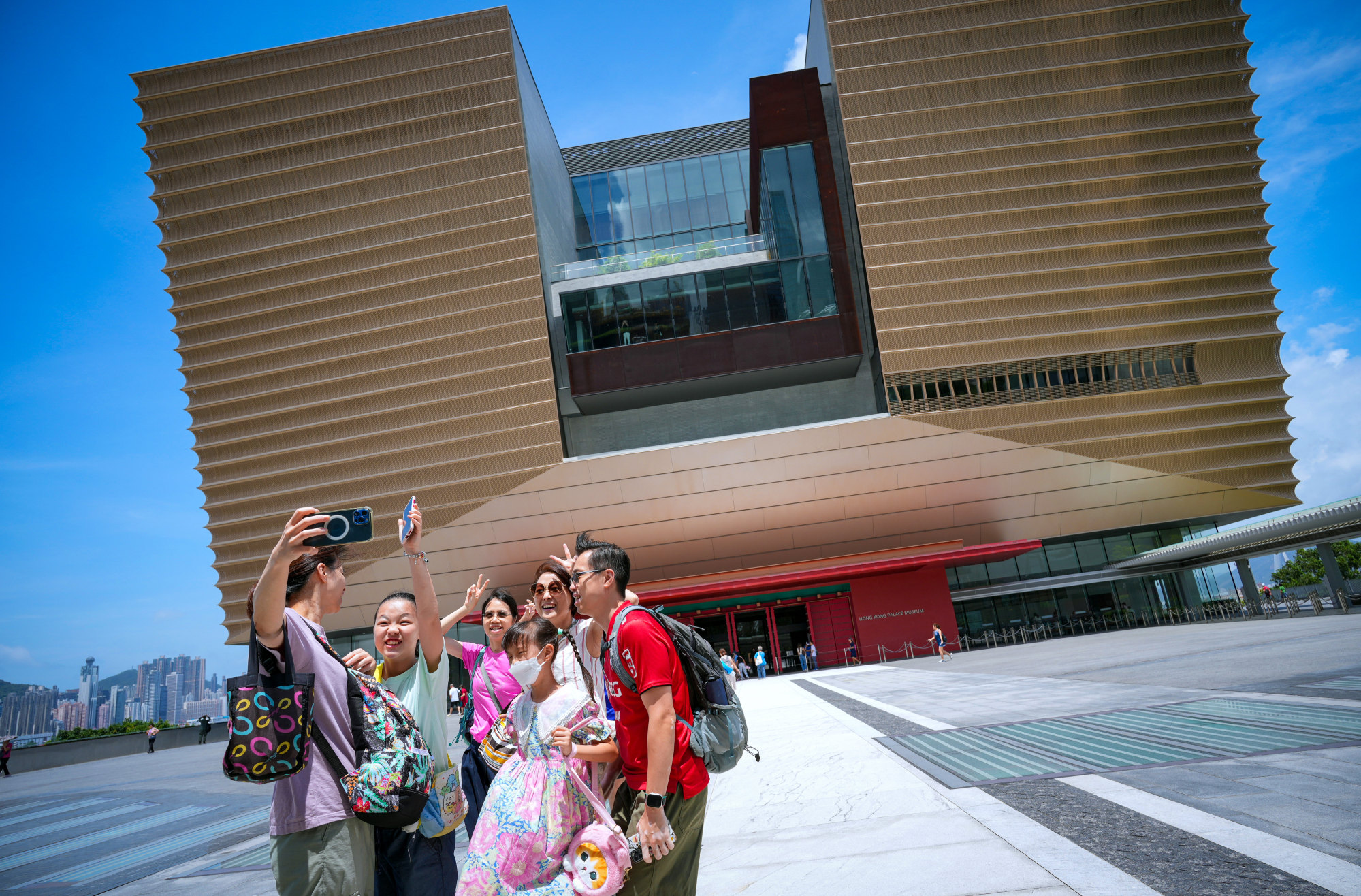
Tang said the new funding arrangements would mean the authority could avoid drastic cost-cutting measures such as reducing open days at the M+ museum and Hong Kong Palace Museum.
The authority’s chairman also pledged to create more sources of revenue, such as by renting out some spaces and ticketing, while adopting a prudent attitude to manpower costs.
Forty per cent of the arts hub’s 851,400 square metres of the gross floor area (GFA) is devoted to arts and culture activities and the rest is used for “revenue-generating” projects to support the district’s operations.
The “revenue-generating” facilities include retail, dining and entertainment, which take up 16 per cent. Another 23 per cent is designated as hotel and office space, and 20 per cent is reserved for residential development.
The 20 per cent of GFA for residential development can now be sold under the new arrangement. The authority emphasised these components had always been in the development plan of the arts hub but could not be sold earlier.
The rental nature of other parts of the land used for retail, dining, entertainment, hotels and offices is unchanged.
The authority did not reveal how much it expected to be raised with residential sales to cover the financial obligations of the next decade.
But it said that the earliest it could tender the land would be in two years’ time.
Tang explained the authority had only recently received back the land from rail operator the MTR Corporation after the construction of the West Kowloon Terminus.
The authority would need to build a basement level for the second zone before negotiating with the Development Bureau to prepare a tender for the development, he added.
The government has required the authority to stick to several conditions on financial discipline, including a triennial cap on operating deficits and a limit on the percentage of staff cost to the total annual operating expenditure.
The authority did not specify whether residential land parcels would be put on the market in one go or divided up, as assessments needed to be made on town planning, environmental impact and transport.
“The model is similar to [the MTR Corp’s] one, which uses property development to fund its operations,” Tang said.
The authority is exempted from land premium payments to the government, but the latter reserved the right to impose the tax if it saw fit.
To sustain operations in the near term, the arts hub topped up a bank facility from HK$4 billion to HK$5 billion (US$640 million) in April with loans from 10 banks, due to mature in 2027.
The authority added that only HK$1 billion had so far been withdrawn.
The gap between the arts hub’s income and expenditure is considered to be the root of its funding issues.
Funds were supposed to be generated through the district’s commercial development from retail, dining, entertainment, hotels, offices and residences, but the pandemic and property market changes contributed to delays in the tendering of the sites.
The government had long made clear it was unlikely to inject any fresh funding after pumping in HK$21.6 billion in 2008 to create an endowment.
Authority CEO Betty Fung Ching Suk-yee earlier said the endowment had been drained by construction and operation costs, alongside a lack of substantial income, highlighted by how 45 per cent of arts and cultural facilities had been completed but none of the hotel, office and residential facilities were in place.
And only 3 per cent of retail, dining and entertainment facilities have been built.
The first commercial plot was only awarded last November after it earlier failed to attract bidders.
Sun Hung Kai Properties was the sole bidder for the 65,000 square metre parcel of land, estimated to be worth HK$10.5 billion, after the authority extended the site’s operating period by 13 years to 47 years.
The developer said its Artist Square Tower project was expected to be completed as early as 2026 and would feature three office towers with retail, dining and entertainment spaces.
Ownership of the development will be transferred to the authority at the end of the operation period under the agreement.
In the 2023-24 financial year, the arts hub’s operating deficit was 20 per cent lower at HK$578 million compared with a year earlier, with income growth recording a 42 per cent increase to HK$1.06 billion.
Vincent Cheng Wing-shun, a lawmaker, said the revised financing arrangement was only a short-term solution.
He said that the district needed more sources of income, such as an increase in the number of visitors and more international performances.
“In the days ahead, they should meet their final goal of self-financing,” he said. “In the time between, we hope they can think about how to increase their profits and reduce their expenses.”
Additional reporting by Harvey Kong