Last month, the first university jointly established by Hong Kong and the Chinese mainland, Beijing Normal-Hong Kong Baptist University (BNBU), celebrated its 20th birthday.
When the mainland opened up its education sector in 2003 with its new Regulations on Sino-Foreign Cooperation in Running Schools, Baptist University was the only Hong Kong university that took the political, academic and administrative leap into the new territory. Amid waves of doubt and criticism, BNBU, then known as United International College, finally held its first graduation ceremony in 2009 with 244 graduates.
Since then, more than 20,000 have graduated from the university in Zhuhai, Guangdong. And what began as a pilot has grown into a regional trend. Chinese University of Hong Kong, Hong Kong University of Science and Technology and City University of Hong Kong have followed suit, establishing mainland campuses in Shenzhen (2014), Guangzhou (2022) and Dongguan (last year), respectively, all Greater Bay Area cities.
Hong Kong universities are rapidly expanding northwards. This raises an important question: how can deeper integration in the Greater Bay Area help Hong Kong confront its long-standing structural constraints, while strengthening its position as an international talent hub?
Hong Kong is, as government officials have pointed out, a city with a unique background as a cultural melting pot of East and West, with extensive international connections. But this strength sits alongside structural limitations.
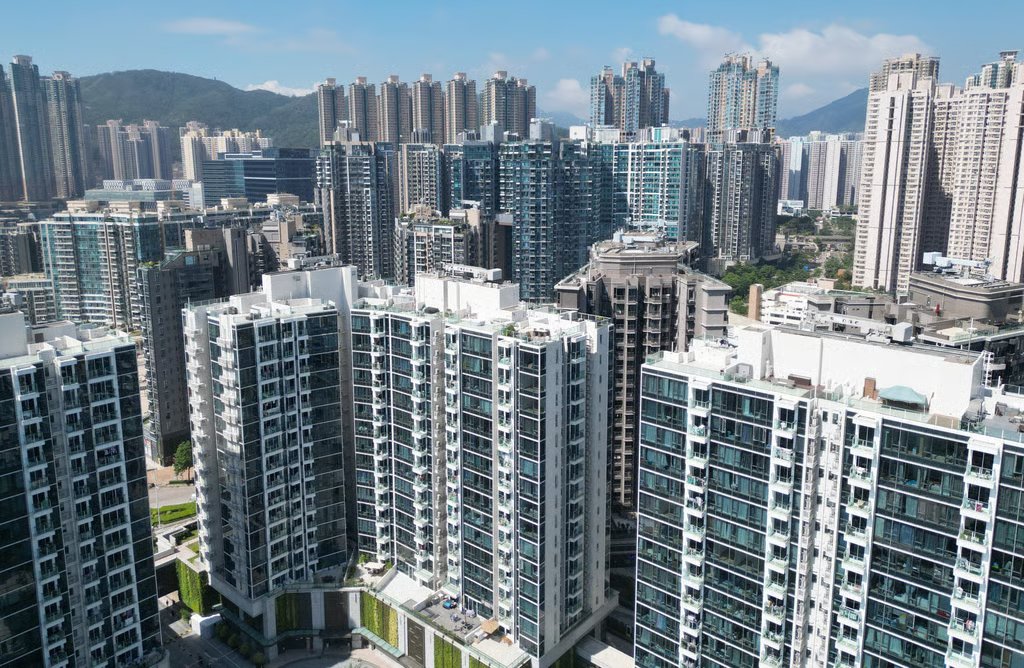
First, land. For universities, the space required for new facilities, including laboratories and residential colleges, has exceeded what Hong Kong can readily provide. The government, recognising the land shortage, unveiled the Northern Metropolis project in 2021. But in doing so 18 years after the mainland introduced Sino-foreign educational cooperation, and given the time it will take to develop new land for the project, the government is moving too slowly.
Visited 1 times, 1 visit(s) today