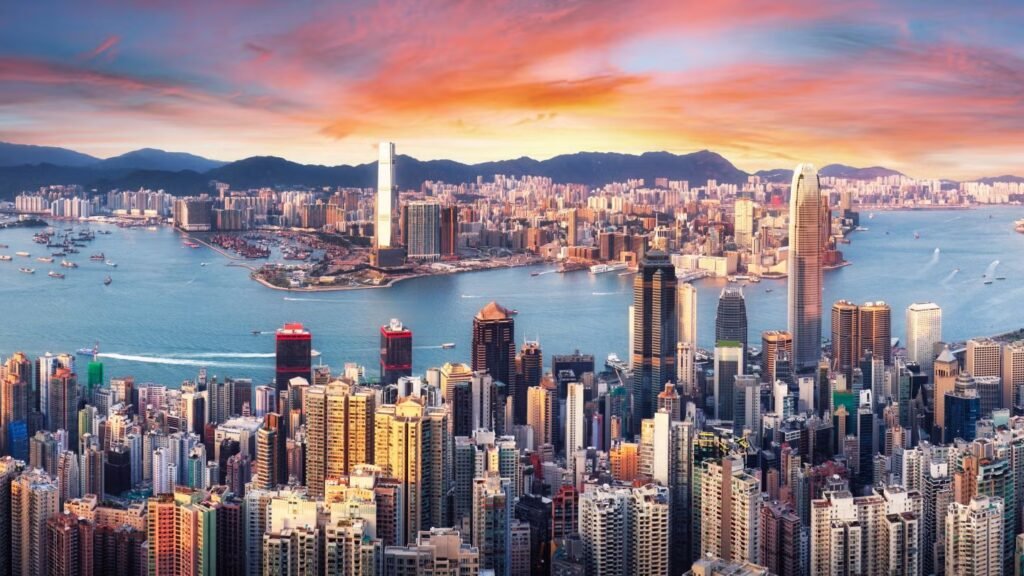
Hong Kong has long been celebrated as a shopper’s paradise, known for its luxury brands, bustling markets, and vibrant urban energy. However, recent discussions highlight a pressing concern: The retail industry appears stagnant, necessitating rejuvenation through innovative customer experiences. During a recent conversation among local business community members focused on retail, one participant encouraged me to consult my network of experts to delve deeper into this issue. I talked with a knowledgeable person who provided insights into Hong Kong’s retail ecosystem and the broader experience economy, prompting reflections on the urgent need for revitalization.
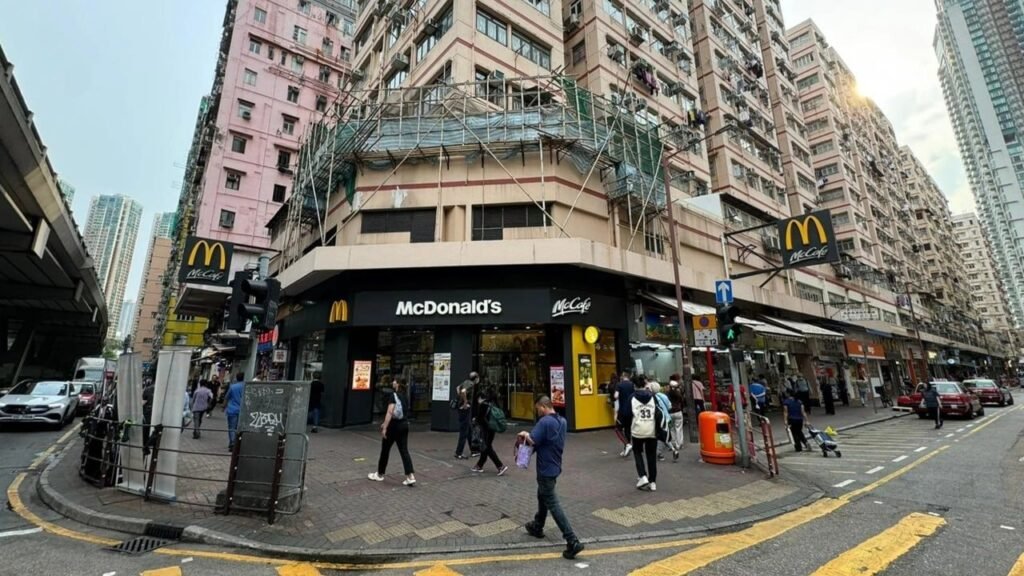
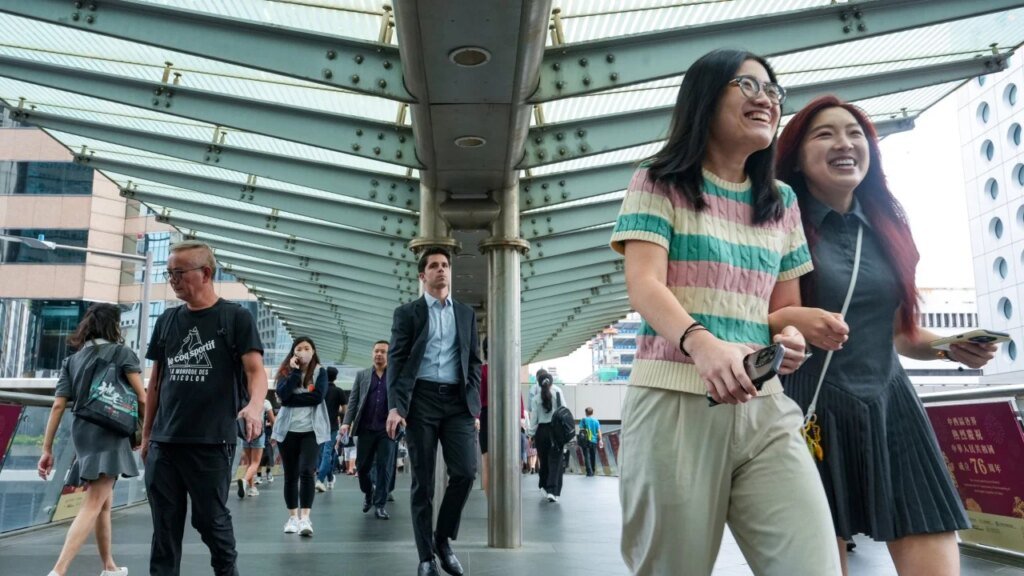
 There is consensus that Hong Kong’s retail sector requires rejuvenation and novel customer experiences. The city is not short of visitors — foot traffic in major shopping districts like Causeway Bay, Tsim Sha Tsui, and Central is robust, with the Hong Kong Tourism Board reporting over 44 million visitor arrivals in 2024. This indicates that accessibility and appeal are not the primary issues — people are exploring the city.
However, the real hurdle lies in low spending per capita. Reports from the Census and Statistics Department reveal sluggish retail sales growth, with a year-on-year increase of only about 2 to 3 percent in key categories like fashion and electronics. Shoppers are browsing but not buying at the volumes needed for vibrant growth. My interlocutor emphasized that without innovative experiences — such as immersive pop-ups or interactive installations — retail spaces risk becoming thoroughfares rather than destinations that encourage spending.
A significant hurdle in the retail landscape is the exorbitant cost of mall rents. Hong Kong’s commercial real estate is notoriously expensive, with prime spaces in areas like Tsim Sha Tsui and Central commanding rents exceeding $16,000 per square meter annually, among the highest globally, according to firms like CBRE. These costs hinder experiential retail operators from securing viable spaces without compromising profitability.
Without policy evolution — through incentives, deregulation, or infrastructure support — Hong Kong risks fading as a retail powerhouse. Should we advocate for these changes, and how might they be implemented? Engaging in this dialogue could mark the first step toward a more competitive future
A vivid example shared by my interlocutor involved an event company that sought to host a major intellectual property-themed event in Hong Kong, requiring approximately 15,000 square feet for three months. Despite its potential to attract crowds, no reasonably priced mall space was available. Even the Hong Kong Convention and Exhibition Centre proved to be too expensive, resulting in the organizers relocating the event to the Chinese mainland, where more affordable spaces in cities like Shanghai allowed for feasibility. Such occurrences highlight the broader difficulties in experiential retail, with various events unable to transform malls into cultural hubs due to high costs.
Alternative venues like the Hong Kong Design Institute offer potential for long-term exhibitions — however, policies prohibit charging for tickets, rendering them unsuitable for commercial operators reliant on admission fees. This limitation narrows options for innovative retail ventures.
In contrast, the recent agreement to build a Ferrari-themed park in Beijing exemplifies the growing trend toward experiential retail. Designed to provide immersive experiences, such parks combine entertainment with brand engagement, indicating a consumer preference shift toward experiences rather than products. As Beijing pursues such developments, it stresses the need for adaptability in retail strategies to meet changing consumer demands.
Beyond rents, high airfares to Hong Kong deter international visitors who might otherwise contribute to higher spending. Some airlines have been criticized for “elevated ticket prices” since the end of the COVID-19 pandemic, with economy fares sometimes 20 to 30 percent higher than similar routes to destinations like Singapore or Tokyo. This pricing reduces tourist inflows, particularly from budget-conscious markets crucial for retail recovery. High operational costs for retailers lead to higher prices for consumers, creating a cycle that suppresses spending. In contrast, cities like Seoul and Bangkok thrive by integrating experiential elements while maintaining lower entry barriers through subsidies or flexible leasing.
These challenges indicate a need for systemic change in Hong Kong’s retail ecosystem. Without rejuvenation, the sector risks losing ground to regional competitors. The mainland’s retail market has flourished through experiential concepts like themed shopping villages, while Singapore has emphasized sustainable, immersive experiences.
Retail contributes significantly to Hong Kong’s GDP — around 4 to 5 percent directly — making an impact on the economy. Low spending per capita affects not just retailers but also suppliers and employment. A 2023 study by the Hong Kong Retail Management Association suggested that experiential retail could boost sales by up to 20 percent in malls, yet only 15 percent of local spaces currently embrace such elements because of cost constraints.
Is our policy framework positioned to make Hong Kong competitive again? Current policies seem outdated in a postpandemic world where consumers seek novelty. Reforms could involve rent subsidies for innovative pop-ups, tax breaks for event organizers, or encouraging aviation competition. The government has initiated campaigns to boost tourism, but more targeted interventions are required, such as public-private partnerships to repurpose underutilized spaces and relax restrictions at venues like the Design Institute.
In conclusion, while Hong Kong’s retail sector enjoys strong foot traffic, it’s important to note that low spending and high barriers like rents and airfares demand urgent attention. Insights suggest that rejuvenation through innovative experiences is essential. Without policy evolution — through incentives, deregulation, or infrastructure support — Hong Kong risks fading as a retail powerhouse. Should we advocate for these changes, and how might they be implemented? Engaging in this dialogue could mark the first step toward a more competitive future.
The author is a member of the National Committee of the Chinese People’s Political Consultative Conference and chairman of China New Era Foundation.
The views do not necessarily reflect those of China Daily.